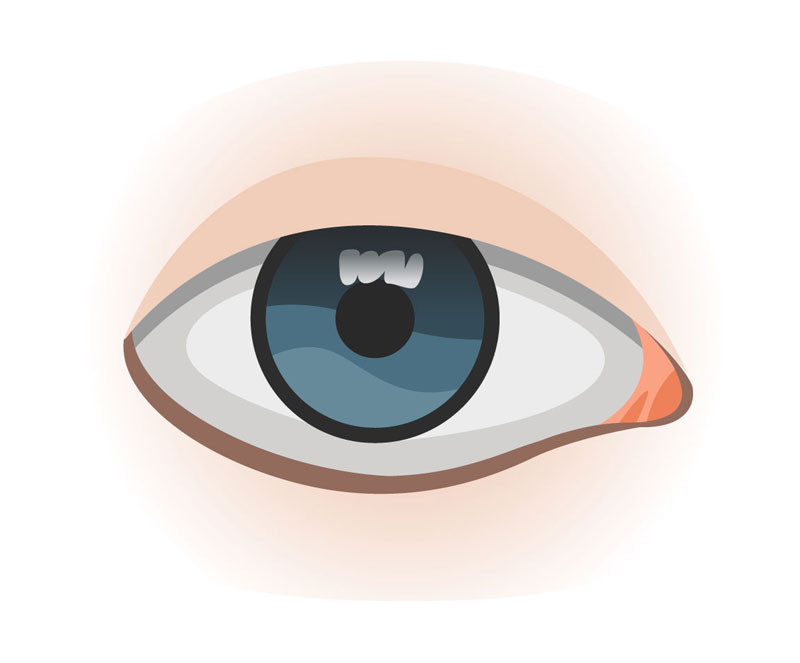
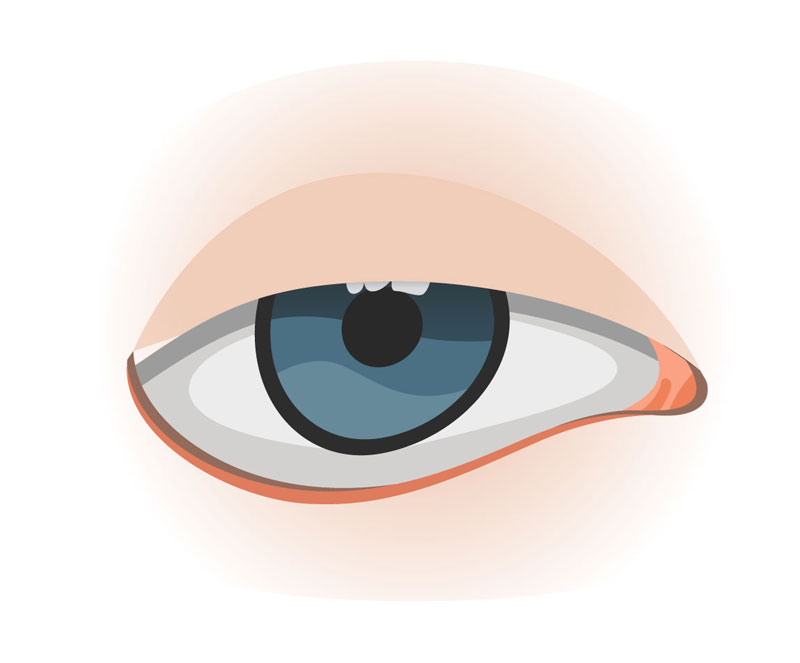
Ptosis, commonly referred to as droopy eyelid, is a condition characterised by the sagging of the upper eyelid. It can be present at birth (congenital ptosis) or develop later in life (acquired ptosis). Possible causes include muscles that lift the eyelids weakening. In some cases, ptosis can partially or fully obstruct vision if the eyelid significantly covers the pupil.
The primary symptom of ptosis is drooping of the eyelid(s).
Other secondary symptoms can be caused by the drooping of the eyelid. These include headaches caused by the eyebrow and forehead muscles being used, to try to lift the droopy eyelid up and improve the vision.
Other symptoms include back and/or neck pain caused by the individual adjusting the position of their head to see better, in cases of severe ptosis. Ptosis can also lead to dry eyes if it prevents the eyelid from functioning properly by keeping the eye moist. This in turn can cause excessive eye watering as the eye tries to correct the problem.
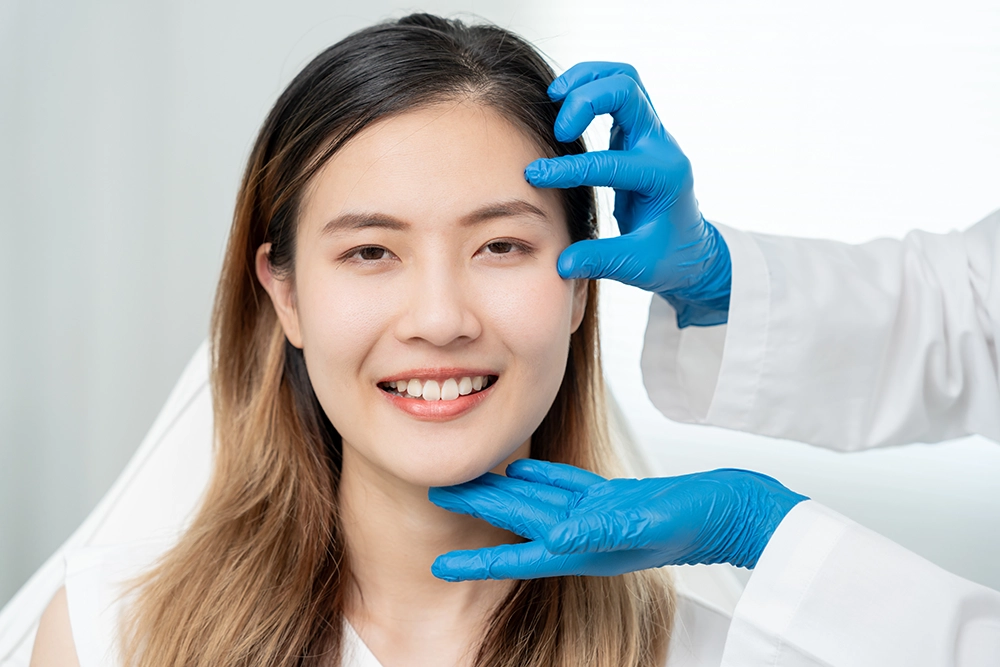
Ptosis is usually best corrected by surgery to restore the upper eyelid position. This is the most common treatment for ptosis. It involves tightening or repositioning the eyelid muscle to improve its function.
The surgeon can also perform the entire surgery from underneath your eyelid. In this case, your surgeon flips your eyelid and tightens the muscle from underneath. No skin incision is required for this approach.
In more severe cases of ptosis where the muscle function is limited, a brow suspension procedure is performed, where implants are attached to the existing muscle and fixed beneath the forehead and assist the function of the levator in lifting the eyelids.
Wish to book a consultation or have a question? WhatsApp Us!