
Cataracts are a common condition among older adults, but the good news is that cataract surgery can effectively restore vision.
If you or a loved one are considering cataract surgery in Singapore, this guide offers all the essential information about the procedure, its benefits, and what to expect, helping you feel fully prepared for the treatment journey ahead.
A cataract is the clouding of the eye’s natural lens, leading to blurry vision, increased sensitivity to light, glare, and difficulty seeing at night. Although cataracts are usually associated with aging, they can also develop in patients with diabetes, those who have had prolonged UV exposure, smokers, people with previous eye injury, and those taking certain medications like corticosteroids.
If left untreated, cataracts can cause significant visual impairment, affecting simple daily tasks like reading, driving, and recognising faces.






Cataracts can make images appear dull or yellow.

Blurry or dim vision is a symptom of cataracts.

Cataracts can cause distortion or ghost images.
See a simulation of what vision with cataract looks like.
If you notice any of these cataract symptoms, notify your ophthalmologist.
The standard treatment for cataracts is surgery, where the affected lens is removed and replaced with a clear artificial intraocular lens (IOL). This procedure is typically done as a day surgery, with most patients able to go home on the same day. This procedure usually takes about 15-20 minutes and is performed under local anesthesia. Hence, you may be awake but feeling relaxed and comfortable during the procedure.

Understanding the different types of cataract surgery will help you make an informed decision about which option is right for you.
Phacoemulsification
Phacoemulsification is the standard treatment for cataract surgery. During this procedure, an ultrasonic device is used to break up the cloudy lens, which is then suctioned out. Once the cataract is removed, an IOL is implanted to replace the natural lens, restoring your vision.
Phacoemulsification is the most common procedure for cataract surgery. In this method, an ultrasonic device is used to break up the cloudy lens, which is then gently suctioned out. After the cataract is removed, an intraocular lens (IOL) is inserted to replace the eye’s natural lens, helping to restore vision clarity.
Extracapsular Cataract Extraction (ECCE): For Advanced Cases
Extracapsular Cataract Extraction (ECCE) is generally reserved for advanced or dense cataracts that are not suitable for phacoemulsification. It involves removing the cloudy lens in one piece through a larger incision. While less common, ECCE is an option for more severe cataracts. As with phacoemulsification, an intraocular lens (IOL) is implanted to restore the eye’s focusing ability.
Laser-Assisted Cataract Surgery: A Precise Alternative
Laser-assisted cataract surgery, also known as femtosecond laser-assisted cataract surgery (FLACS), utilises laser technology to create accurate incisions and soften the cataract for easier removal. This method can provide enhanced precision and potentially better outcomes in certain situations. Once the cataract is removed, an intraocular lens (IOL) is placed to restore clear vision.
The most traditional type of intraocular lens (IOL), its designed to provide clear vision at one distance, typically for far vision. After cataract surgery, you will be able to see distance objects clearly, but you may require reading glasses for close-up tasks, such as reading or using a smartphone.
These lenses are designed to provide clear vision at both distance and near. Multifocal IOLs are ideal for patients who wish to reduce their dependence on glasses after cataract surgery, offering greater flexibility in daily activities without needing to switch between different pairs of glasses.
Toric lenses are specifically made to correct astigmatism, helping patients with this condition to experience clearer vision after cataract surgery. Your ophthalmologist will guide you in selecting the most suitable lens based on your unique lifestyle, visual goals, and budget. It’s important to note that premium IOL options, like multifocal and toric lenses, may come with higher out-of-pocket expenses.
EDOF lenses provide clear vision for both far and mid-range distances, reducing the need for glasses during most daily activities. These lenses offer a great balance for individuals who want to avoid constantly switching between reading glasses and distance glasses. EDOF lenses can be a great middle ground between monofocal and multifocal lenses and are a practical choice for those seeking continuous vision clarity throughout their day.

Cataracts are typically diagnosed through a comprehensive eye examination by an eye care professional. Early diagnosis is essential for preserving vision and ensuring timely treatment.
Cataracts are typically diagnosed through a thorough eye examination conducted by an eye care professional. Early detection is crucial for preserving vision and ensuring timely cataract treatment in Singapore.

Measures how clearly you can see letters or symbols on a chart at a distance. A decline in clarity may suggest cataract formation (Mayo Clinic).
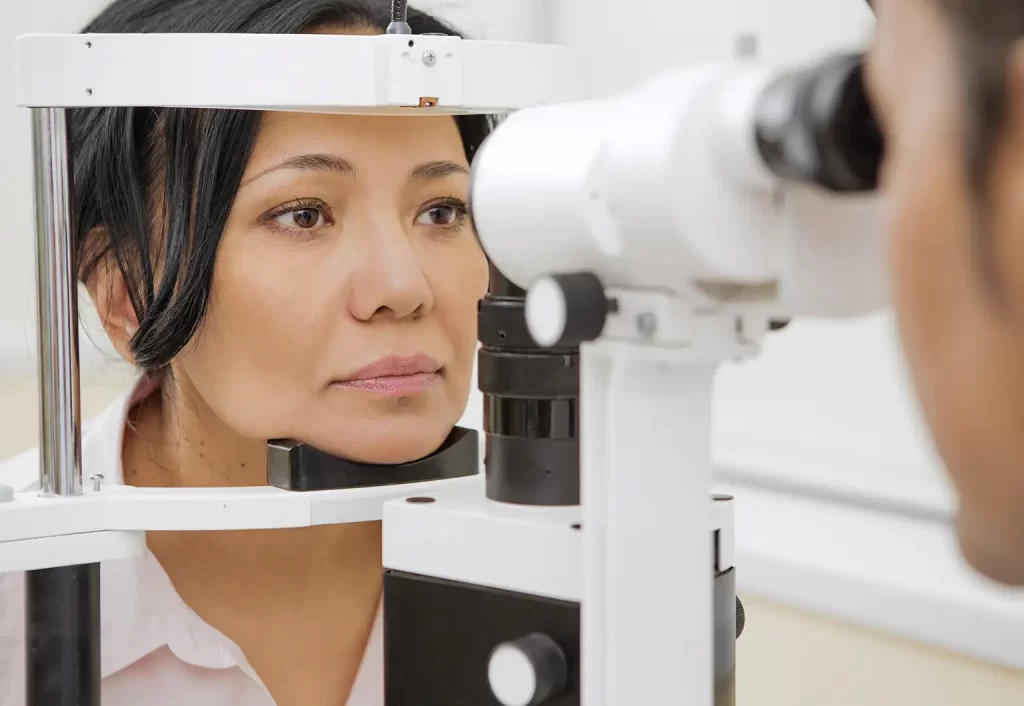
This test uses a special microscope and bright light to examine the cornea, lens, and other eye structures in detail, helping detect cloudiness in the lens (American Academy of Ophthalmology).
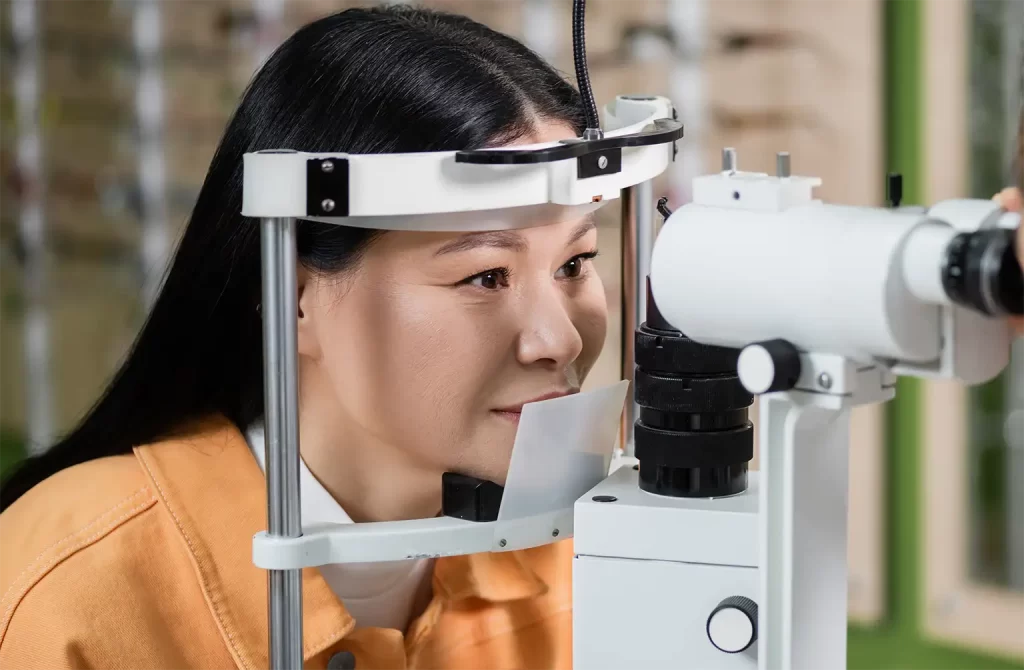
Eye drops are used to dilate the pupils, allowing the doctor to examine the lens and retina. Cataracts are more easily seen under dilation (National Eye Institute).
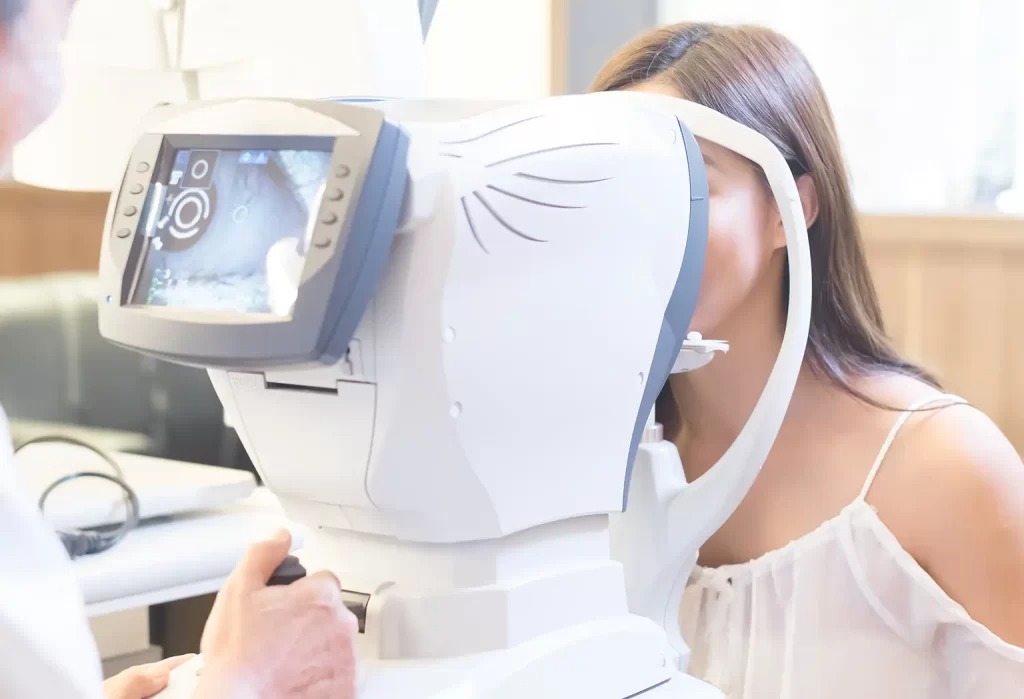
Although primarily used to measure intraocular pressure for glaucoma, this test is sometimes included during a comprehensive cataract screening to rule out coexisting conditions (NIH MedlinePlus).
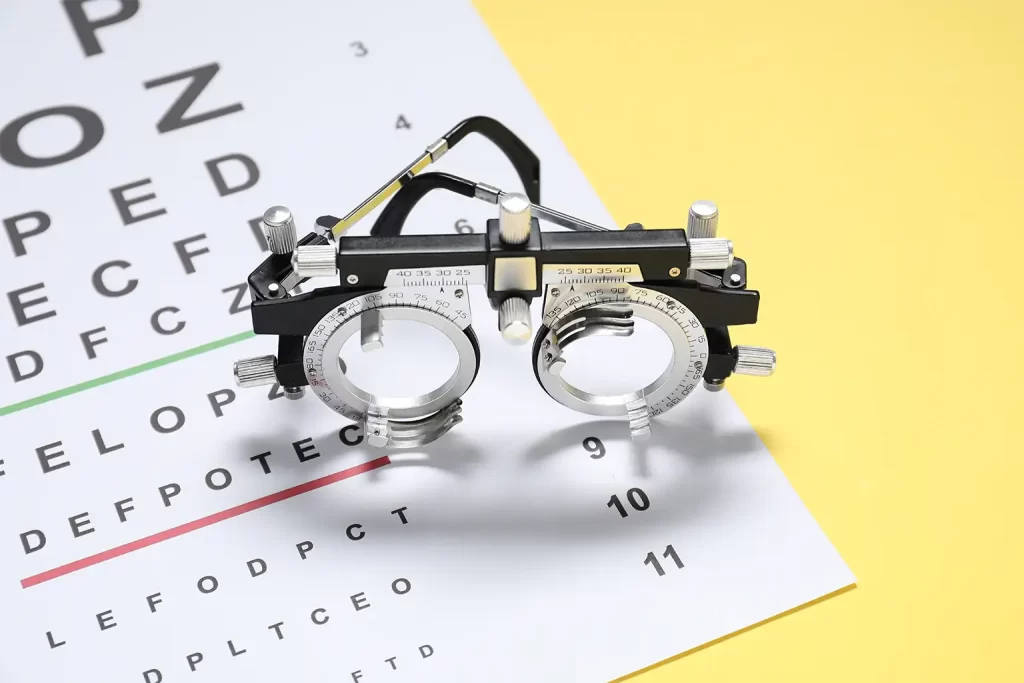
This test measures how clearly you can read letters or symbols on a chart from a distance. A reduction in clarity may indicate the presence of cataracts, which could require further evaluation (Mayo Clinic).

Using a special microscope and bright light, this test examines the cornea, lens, and other parts of the eye in detail, helping to identify any cloudiness in the lens, a key sign of cataracts (American Academy of Ophthalmology).

During this exam, eye drops are used to dilate the pupils, allowing the doctor to inspect both the lens and retina. Cataracts are easier to detect when the pupil is dilated (National Eye Institute).
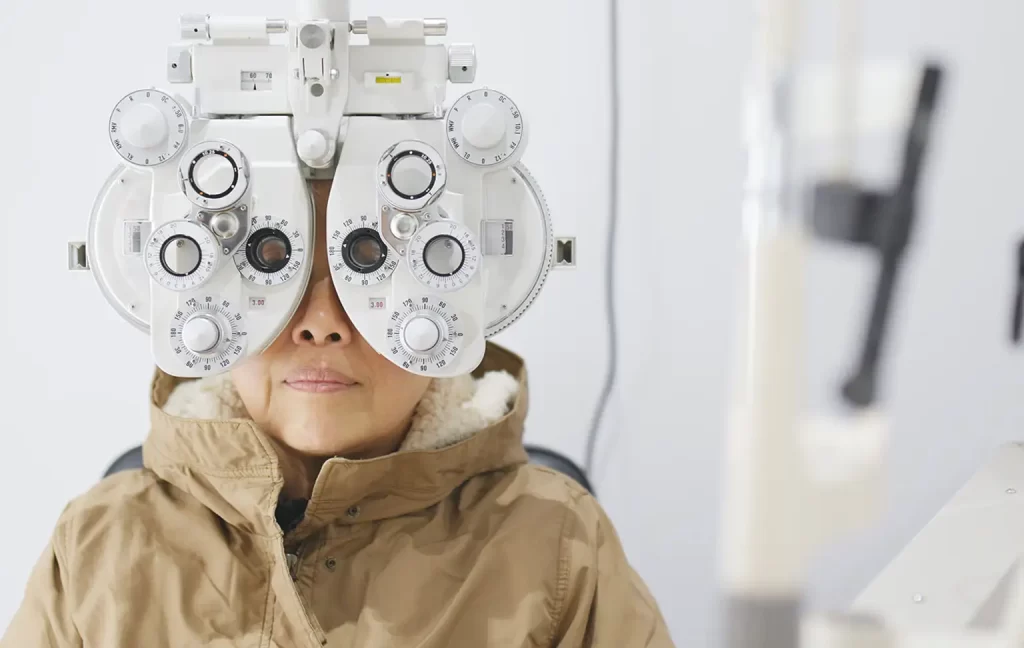
Although this test is primarily used to measure intraocular pressure to check for glaucoma, this test is included as part of a comprehensive cataract screening to rule out other potential eye conditions (NIH MedlinePlus).
If you’re experiencing blurry vision, glare, or difficulty with night vision, an eye screening is recommended. Cataracts develop gradually, so routine eye exams are crucial — especially for adults over 60 (National Institute on Aging).
If you’re noticing blurry vision, increased glare, or trouble seeing at night, it’s time to schedule an eye screening. Cataracts develop slowly, which is why regular eye exams are essential — especially for those over 60.
The cost of cataract surgery in Singapore depends on the type of surgery, the lens used, and the clinic’s location. On average, the cost ranges from SGD 3,000 to SGD 5,000 per eye, according to MOH Fee Benchmarks.
The cost of cataract surgery in Singapore varies depending on the type of surgery, the intraocular lens (IOL) used, and the location of the clinic. On average, cataract surgery in Singapore cost ranges from SGD 3,000 to SGD 5,000 per eye, according to MOH Fee Benchmarks.


Senior citizens in Singapore can benefit from government subsidies and insurance schemes to help cover the costs of cataracts surgery:
These programs are designed to help lower the cataract surgery cost for senior citizens, making treatment more affordable and accessible.
The following are factors that can affect the cost of cataract surgery:
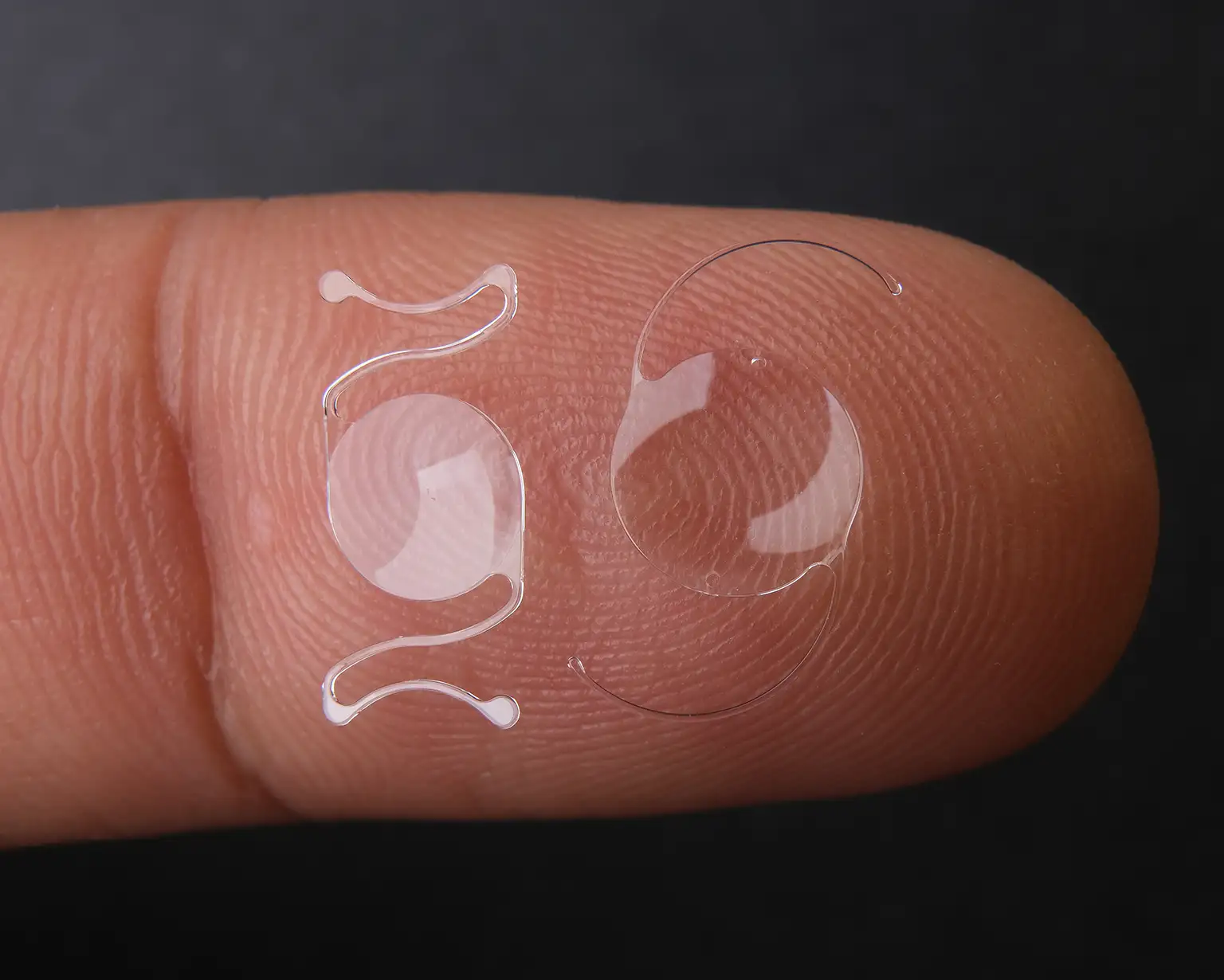
Before undergoing cataract surgery, you will undergo a comprehensive eye examination to check the severity of the cataract. Eye investigations are carried out to determine the strength of the implant to be placed in the eye during surgery. One may also need to undergo blood tests, chest X-ray, and ECG (electrocardiogram) to ensure fitness for operation. Your surgeon will help you choose an intraocular lens (IOL) that suits your visual needs. (See more under ‘Types of Intraocular Lenses’)
Prior to cataract surgery, you will need to undergo a comprehensive eye examination to assess the severity of the cataract. Various eye tests will be performed to determine the appropriate strength of the intraocular lens (IOL) to be implanted during surgery. Depending on your health, additional tests such as ECG (electrocardiogram) may be required to ensure that you are fit for surgery. Your surgeon will discuss with you to select the most suitable IOL based on your visual needs. (For more details, refer to ‘Types of Intraocular Lenses’)
Your surgeon will provide detailed pre-operative instructions, which typically include:
Cataract surgery is typically performed on an outpatient basis, so you won’t need to stay overnight in the hospital. Most patients can return home just a few hours after the procedure.
The amount of medical leave you will need varies by occupation. Generally, patients are given 2 to 3 weeks of medical leave to rest and avoid activities that may strain the eyes. Office workers may be able to return to work in a few days, while those with physically demanding jobs may need a longer recovery period.
After your cataract surgery, you will be prescribed eye drops to help prevent infection and minimize inflammation. It’s crucial to follow your surgeon’s instructions closely to ensure a smooth recovery.
It’s common to experience slight blurriness or haziness in your vision during the first couple of days as your eye heals. You may also notice light sensitivity, mild irritation, or a gritty sensation, but these are temporary. Most patients see improvement in their vision within a few days, though complete recovery can take a few weeks.
You should avoid swimming, heavy lifting, bending over, and wearing eye makeup for at least a week after surgery. To minimize eye strain, it’s also recommended to limit screen time during the first few days. Your doctor will provide advice on when you can resume these activities.


Cataract surgery is generally considered safe, though, like any procedure, complications can arise, such as infection or retinal detachment. If you experience sudden vision loss, severe pain, or increased redness in your eye after the surgery, it’s important to consult your doctor promptly.
The success rate for cataract surgery is very high, with more than 95% of patients reporting significant improvements in their vision following the procedure.
At Ascend Eye Clinic, we offer comprehensive cataract surgery services, from initial consultations to post-operative care.If you or a loved one is experiencing symptoms of cataracts, book a consultation with our eye specialists to explore your treatment options.
At Ascend Eye Clinic, we offer comprehensive cataract surgery services, from initial consultation to post-operative care, ensuring the best outcomes for your vision. If you or a loved one are experiencing symptoms of cataracts, book a consultation with us to explore your treatment options. Our experienced team is dedicated to delivering effective cataract treatment in Singapore with the highest standard of care.
No, cataract itself cannot return. However, some patients may develop clouding behind the implanted lens, a condition known as posterior capsule opacification (PCO), which can be easily treated with a laser procedure called YAG capsulotomy.
Although cataracts are primarily age-related and cannot be fully prevented, certain lifestyle habits can help slow their progression. These include wearing sunglasses that block UV rays, avoiding smoking, managing conditions like diabetes, and eating a diet high in antioxidants.
Yes. Many Integrated Shield Plans in Singapore cover all or part of cataract surgery costs, especially if the surgery is medically necessary. Kindly check with your insurance to check if you are covered.
Delaying surgery can lead to further vision deterioration, increasing the risk of falls or car accidents. In more advanced stages, the cataract may become denser, making it harder to remove and potentially raising surgical risks.
Cataract surgery is usually performed on one eye at a time, with a gap of few days to few weeks between procedures to allow for adequate healing.
Cataract surgery typically takes about 30 to 45 minutes and is typically performed on an outpatient basis.
The surgery is performed under local anaesthesia, so you won’t experience pain during the procedure. Any discomfort after the surgery is generally mild and short-lived.
Most patients will notice an improvement in vision within 24 to 48 hours after the surgery. However complete visual recovery may take a few weeks as the eye heals and adjusts to the new intraocular lens (IOL).
It depends on the type of IOL used. Standard monofocal lenses typically correct vision at one distance (usually for distance), so you may still need reading glasses. Premium lenses, such as multifocal lenses, may reduce or eliminate the need for glasses altogether.
Yes. Follow-up visits are essential to monitor healing, check for any complications, and adjust medications if necessary. Patients are required to return the next day for follow-up check, then again within a week, and possibly a month later depending on recovery.
You can usually travel within a few days post-surgery provided if your recovery is smooth. However, it’s advisable to avoid travel in the first week to ensure you can attend follow-up appointments and manage any potential complications if they arise.
Cataract surgery is safe, but does come with low risks of infection or inflammation. These risks can be managed by a qualified eye specialist and minimised with proper care.
Cataract surgery is generally safe, but there are low risks of infection or inflammation. These risks can be managed effectively by an experienced eye specialist and minimized with proper aftercare.
Our clinic staff will call you within 48 hours to confirm your appointment. For urgent appointments, please call us at 8818 3788.
Wish to book a consultation or have a question? WhatsApp Us!