
Corneal conditions refer to problems that affect the cornea—the clear, dome-shaped front layer of the eye that helps focus light. The cornea works together with the tear film, eyelids, and other ocular structures to maintain visual clarity and comfort. When the cornea becomes inflamed, infected, injured, or structurally altered, symptoms such as pain, redness, tearing, light sensitivity, or blurred vision may occur. Some corneal conditions develop suddenly, while others progress gradually over time. Because many corneal issues affect the eye’s surface, early evaluation can help identify the cause and guide appropriate care.

Corneal conditions may arise from environmental factors, infections, trauma, tear-film instability, allergies, contact lens wear, or inherited structural changes. Some individuals develop corneal conditions due to underlying skin or immune-related disorders. Infections may be caused by bacteria, viruses, fungi, or parasites, often when the corneal surface is compromised. Mechanical irritation from foreign bodies, eyelash rubbing, or poorly fitting lenses can also affect the cornea.


The risk of corneal problems may increase with prolonged screen use, contact lens wear, exposure to irritants, or pre-existing dry eye. In the early stages, symptoms may be mild and intermittent. As corneal surface changes progress, discomfort, fluctuating vision, or increased light sensitivity may develop. In more serious situations, ulcers, recurrent erosions, or scarring can occur if the corneal surface is significantly affected.
Mild dryness, irritation, or foreign-body sensation
Redness, tearing, or sensitivity to environmental triggers
Persistent discomfort, fluctuating or hazy vision, light sensitivity
Recurrent erosions, visible surface defects, or corneal thinning
Risk of scarring or infection if the cornea becomes significantly compromised
Corneal symptoms vary widely depending on the underlying cause. Some present with pain or irritation, while others cause visual distortion or sensitivity to light. Because many conditions share similar symptoms, a detailed examination is needed to determine the specific diagnosis.



Dry eye disease occurs when the corneal surface is insufficiently lubricated due to reduced tear production or increased tear evaporation. Tear-film instability can cause fluctuating vision and discomfort, especially with prolonged reading or screen use.

Keratitis refers to inflammation or infection of the cornea. Infectious keratitis may involve bacteria, viruses, fungi, or parasites. Non-infectious keratitis may arise from dryness, allergic reactions, eyelid issues, or contact lens irritation.

Keratoconus is a condition in which the cornea gradually becomes thinner and more cone-shaped. This irregular shape leads to distorted vision and increasing astigmatism. The condition often begins in adolescence or early adulthood and may progress gradually.

A corneal abrasion occurs when the surface layer of the cornea is scratched, often causing significant discomfort. Recurrent corneal erosion refers to repeated episodes where the surface layer fails to adhere strongly, leading to sudden pain, especially on waking.

A corneal ulcer is a deeper defect of the cornea usually caused by infection or severe dryness. It may appear as a white or greyish patch on the cornea and often requires prompt review.

Corneal dystrophies are inherited conditions in which abnormal deposits or changes occur within specific corneal layers. These changes may develop gradually and affect vision or cause recurrent erosions.

Corneal evaluations help identify the cause of symptoms and monitor structural or surface changes. A slit-lamp examination is often the first step, followed by specialised imaging to assess corneal shape, thickness, clarity, and the integrity of the tear film.
Treatment for corneal conditions depends on the underlying cause and the severity of symptoms. Management may involve lubricating drops, anti-inflammatory medications, infection control, protective measures, or specialised contact lenses. Some individuals may require minor procedures or, in selected cases, corneal transplantation.

Every patient’s condition, lifestyle, and goals are unique — and so should their care. We take the time to listen, understand, and evaluate your needs in detail. From there, we develop a tailored treatment plan that delivers the most ideal outcomes.

For most of us, our vision is our most valued sense. Whether you are a senior, of working age, or the parent of a child who needs help, we will prioritise understanding your case and determining the most suitable treatment to improve or preserve your vision. We welcome complex cases as we care about you, your sight and your future.

We harness the power of ophthalmic technology to deliver precise diagnostics, accurate treatments, and faster recovery times. From imaging systems to minimally invasive surgical tools, our investment in technology allows us to provide safe and effective eye care.
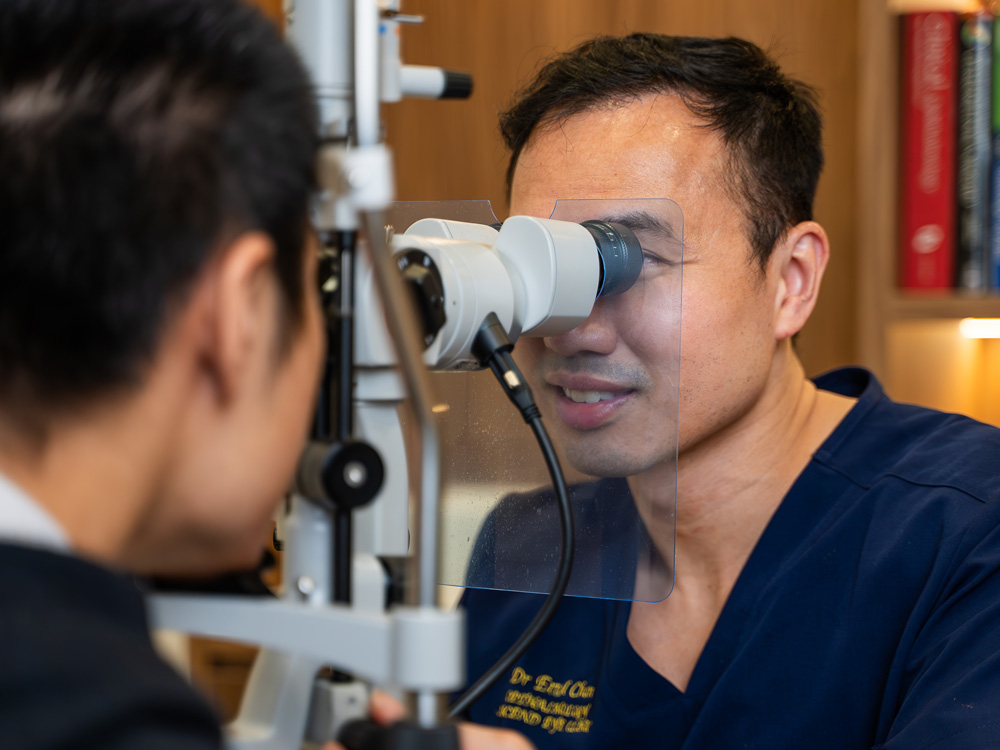
Your safety is our highest priority. Every diagnosis and treatment we provide is evidence-based to ensure that each step of your care is not only effective but also held to a high standard of safety and quality.
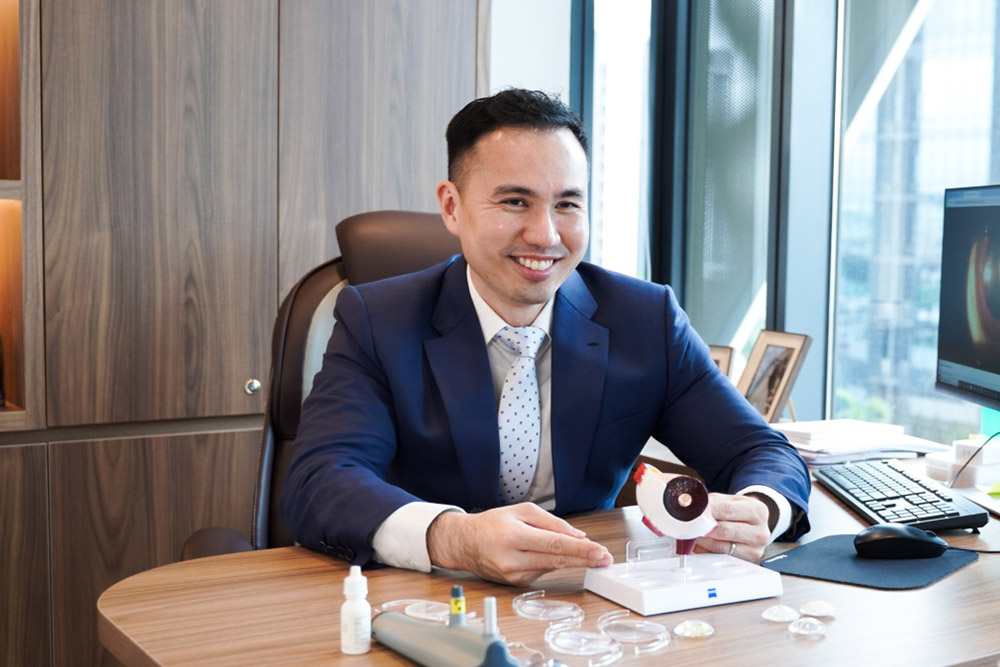
For pre-surgery, we will discuss all possible treatment options and recommends the most appropriate one for every patient. For post-surgery, we provide aftercare, including follow-up consultations and treatment plans tailored to every patient to promote optimal recovery.
Wish to book a consultation or have a question? WhatsApp Us!