
Dry Eye Disease occurs when the eyes do not produce enough tears, or when the tears evaporate too quickly due to an imbalance in the tear film. The tear film is made up of three layers—oil, water, and mucus—which work together to keep the eye surface smooth, clear, and comfortable. When any of these layers are affected, the eye surface may become irritated, leading to dryness, grittiness, redness, or blurred vision that often fluctuates with visual tasks. Dry Eye Disease can develop gradually and is influenced by factors such as screen use, ageing, environmental conditions, and eyelid gland function. Because symptoms may vary throughout the day, regular assessment helps identify contributing factors and guide ongoing care.


Dry Eye Disease may arise from reduced tear production, increased tear evaporation, or instability of the tear film. Meibomian gland dysfunction is a common contributor, affecting the oil layer of the tears and allowing them to evaporate too quickly. Environmental stress, hormonal changes, medications, and systemic health conditions can also affect tear quality and quantity. Some individuals may experience dry eye symptoms after eye surgery or as a result of prolonged screen use.

The risk of Dry Eye Disease increases with age, long-term near work, environmental exposure, and eyelid gland problems. In early stages, symptoms may be mild and intermittent, often occurring during prolonged reading or screen use. As the condition progresses, the tear film may become increasingly unstable, leading to more persistent discomfort or fluctuating vision. In later stages, the ocular surface may become more sensitive and prone to irritation.
Occasional dryness, mild irritation,
or transient blurring
More noticeable dryness or grittiness, especially with prolonged tasks
Frequent burning, stinging,
or fluctuating vision; increased sensitivity to wind or air-conditioning
Persistent discomfort, redness, or difficulty wearing contact lenses
Risk of corneal surface changes if the tear film is significantly unstable
Symptoms can vary from mild discomfort to more persistent irritation. Many people experience dryness or tired eyes, while others may notice sensitivity to wind or inconsistent clarity of vision. Symptoms may be more pronounced at the end of the day or during visually demanding activities.


Evaporative Dry Eye occurs when the oil glands in the eyelids (meibomian glands) do not produce enough oil or become blocked. Without a stable oil layer, tears evaporate too quickly, leading to dryness, irritation, and fluctuating vision. This type of dry eye is commonly associated with blepharitis, rosacea, prolonged screen use, or age-related gland changes.
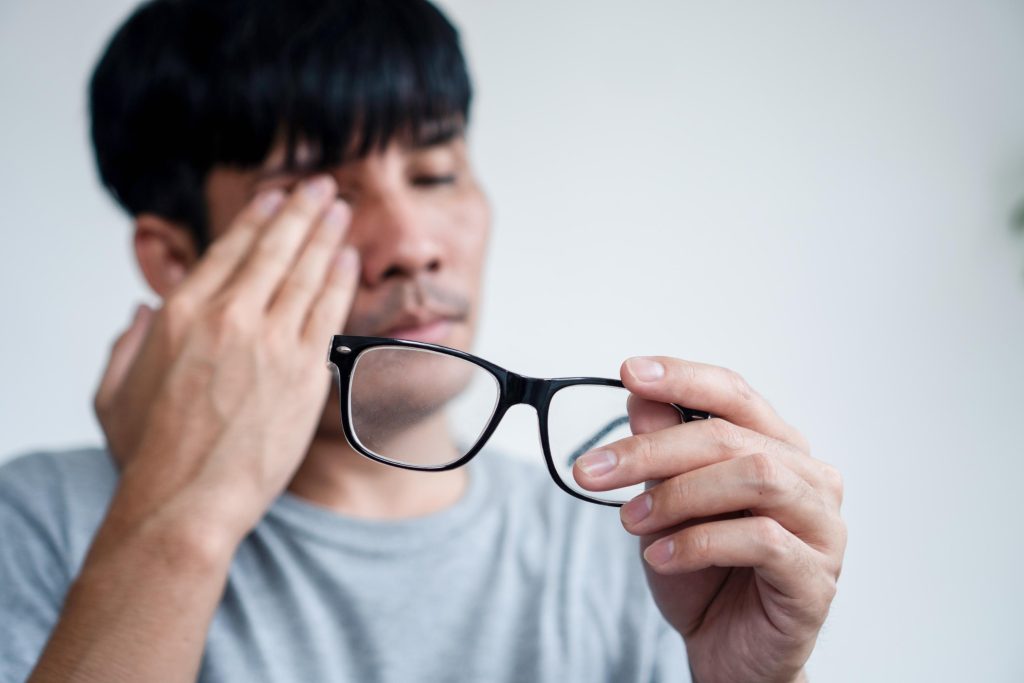
In this form of dry eye, the lacrimal glands do not produce enough of the watery component of tears. This may occur due to ageing, autoimmune conditions, certain medications, or chronic inflammation of the tear glands. The lack of sufficient tears results in dryness, irritation, and incomplete lubrication of the eye surface.
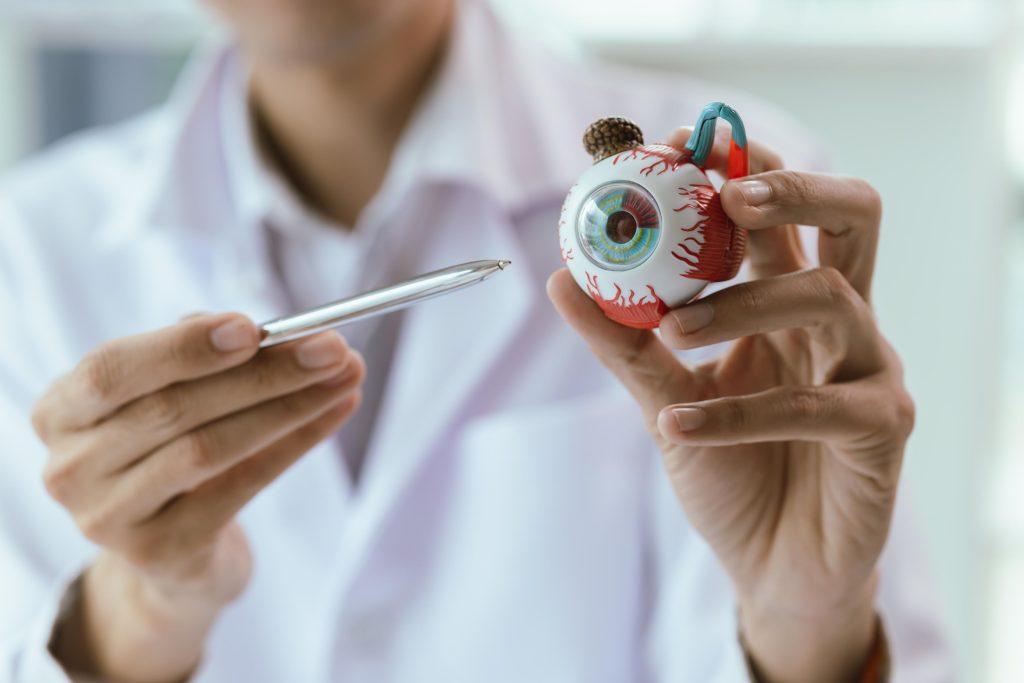
Many individuals have a combination of both evaporative and aqueous-deficient components. Tear instability may result from multiple factors such as gland dysfunction, reduced tear production, environmental triggers, or lifestyle habits. Management is often tailored to address both tear quality and tear volume.

Dry eye assessments help identify which part of the tear film is affected and guide an individualised management plan. During the examination, the eye specialist evaluates tear quality, tear volume, gland function, and the condition of the ocular surface. Special dyes or imaging techniques may be used to highlight dry areas or measure tear stability.
Dry Eye treatments aim to support the tear film, reduce irritation, and address underlying factors such as gland dysfunction or environmental triggers. Management is often stepwise and may involve a combination of lubricants, eyelid care, medications, procedures, and lifestyle adjustments. Regular follow-up is helpful for monitoring response and guiding changes in care.

Every patient’s condition, lifestyle, and goals are unique — and so should their care. We take the time to listen, understand, and evaluate your needs in detail. From there, we develop a tailored treatment plan that delivers the most ideal outcomes.

For most of us, our vision is our most valued sense. Whether you are a senior, of working age, or the parent of a child who needs help, we will prioritise understanding your case and determining the most suitable treatment to improve or preserve your vision. We welcome complex cases as we care about you, your sight and your future.

We harness the power of ophthalmic technology to deliver precise diagnostics, accurate treatments, and faster recovery times. From imaging systems to minimally invasive surgical tools, our investment in technology allows us to provide safe and effective eye care.
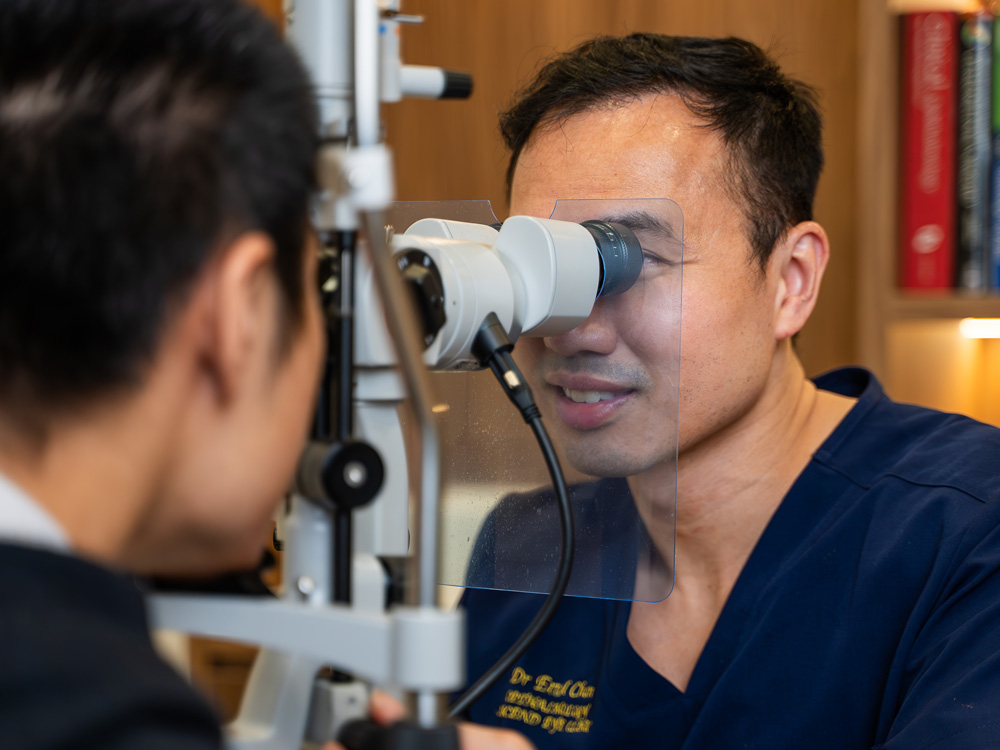
Your safety is our highest priority. Every diagnosis and treatment we provide is evidence-based to ensure that each step of your care is not only effective but also held to a high standard of safety and quality.
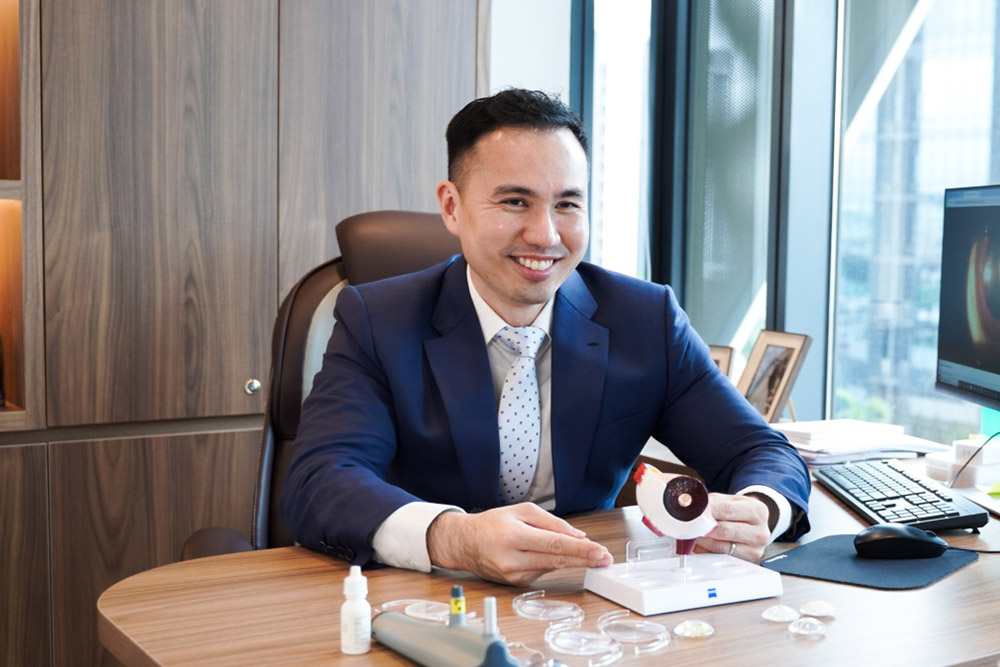
For pre-surgery, we will discuss all possible treatment options and recommends the most appropriate one for every patient. For post-surgery, we provide aftercare, including follow-up consultations and treatment plans tailored to every patient to promote optimal recovery.
Wish to book a consultation or have a question? WhatsApp Us!