
Refractive Lens Exchange (RLE) is a lens-based vision correction procedure that replaces the eye’s natural lens with an intraocular lens selected to improve vision and reduce dependence on glasses. Advanced lens options, including Extended Depth of Focus (EDOF) and multifocal lenses provide a broad range of vision across different distances, making refractive lens exchange particularly suited to adults with presbyopia.
Refractive Lens Exchange (RLE) is a lens-based vision correction procedure designed to reduce dependence on glasses by replacing the eye’s natural lens with an artificial intraocular lens (IOL). It is particularly suited to adults with presbyopia who want a longer-term solution for their changing vision.
During refractive lens exchange, the natural lens is gently removed and replaced with an IOL selected according to your prescription, eye health, lifestyle, and visual priorities. Advanced lens options, including Extended Depth of Focus (EDOF) and multifocal lenses, are designed to provide a broader range of vision across distance, intermediate, and near.
By selecting the appropriate IOL for each eye, refractive lens exchange addresses both your refractive error (near or far-sightedness) and the loss of focusing ability associated with presbyopia. This makes it an attractive option for patients wanting to reduce their reliance on reading glasses or progressive lenses across everyday activities.
Because the natural lens is permanently removed, it can no longer develop a cataract later in life. Refractive lens exchange therefore combines vision correction with a long-term lens solution, removing the need for future cataract surgery in the treated eye.
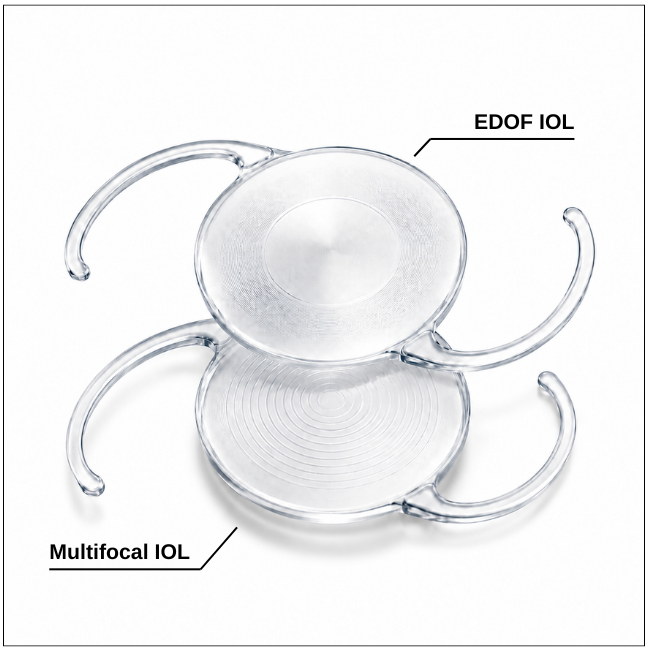
One of the key advantages of refractive lens exchange is the ability to select an intraocular lens according to your visual needs, lifestyle, and priorities. Different lens designs provide different ranges of vision, allowing the treatment to be personalised beyond simply correcting your prescription.
Our lens options include:
All our lens implants are also available in toric versions to correct astigmatism.
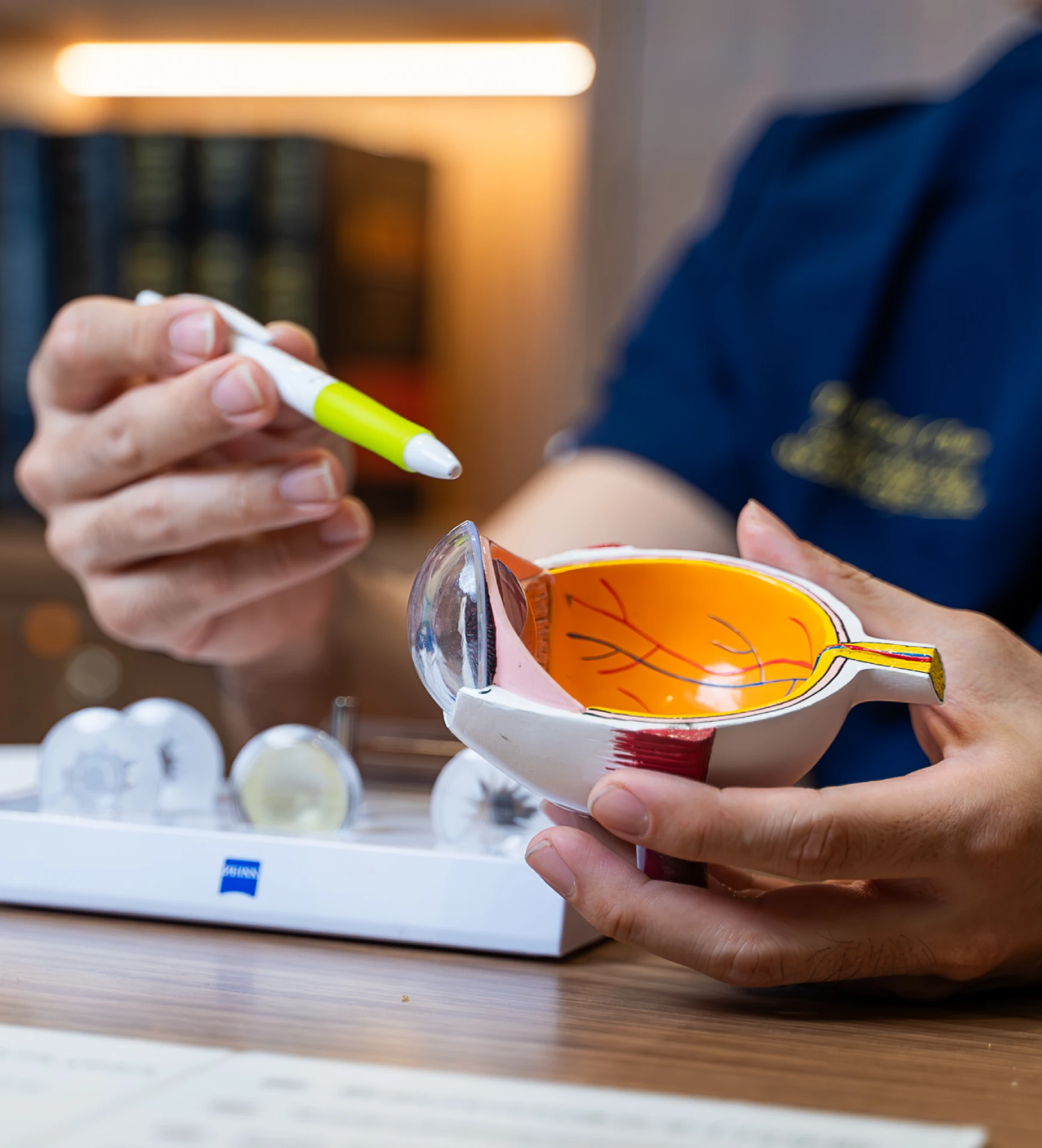
The same type of lens implant does not always need to be used in both eyes. In selected patients, we may use a different lens in each eye so that the two eyes work together to provide a wider range of vision.
For example, one eye may be given a lens that places greater emphasis on clear distance vision, while the other may use a lens that provides more intermediate or near vision for tasks such as computer work or reading.
The lens combination is planned according to factors such as eye dominance, astigmatism, your usual daily activities and the distances at which you would most like to see clearly.
Detailed eye measurements and a discussion of your visual priorities will help us determine whether using different lens implants between the two eyes is appropriate for you.
Refractive lens exchange offers a long-term approach to vision correction for adults with presbyopia, combining refractive correction with advanced intraocular lens technology to reduce dependence on glasses across everyday activities.

Refractive lens exchange replaces the ageing natural lens, directly addressing the loss of near focusing ability that causes presbyopia and helping reduce reliance on reading glasses.
A range of intraocular lens options allows treatment to be matched to your prescription, eye health, and visual priorities, with the aim of providing useful vision across the distances most important to you.
The natural lens is permanently replaced with an artificial lens that does not undergo the same age-related changes. The treated eye therefore does not require cataract surgery later in life.
By reducing dependence on glasses and contact lenses, refractive lens exchange reduces the recurring costs of replacing prescription eyewear, purchasing contact lenses, and buying cleaning solutions over the years.
Refractive lens exchange is particularly well suited to adults over 40 who are experiencing presbyopia and want a long-term, lens-based approach to reducing their dependence on glasses or contact lenses.
Your are suitable for refractive lens exchange if you:

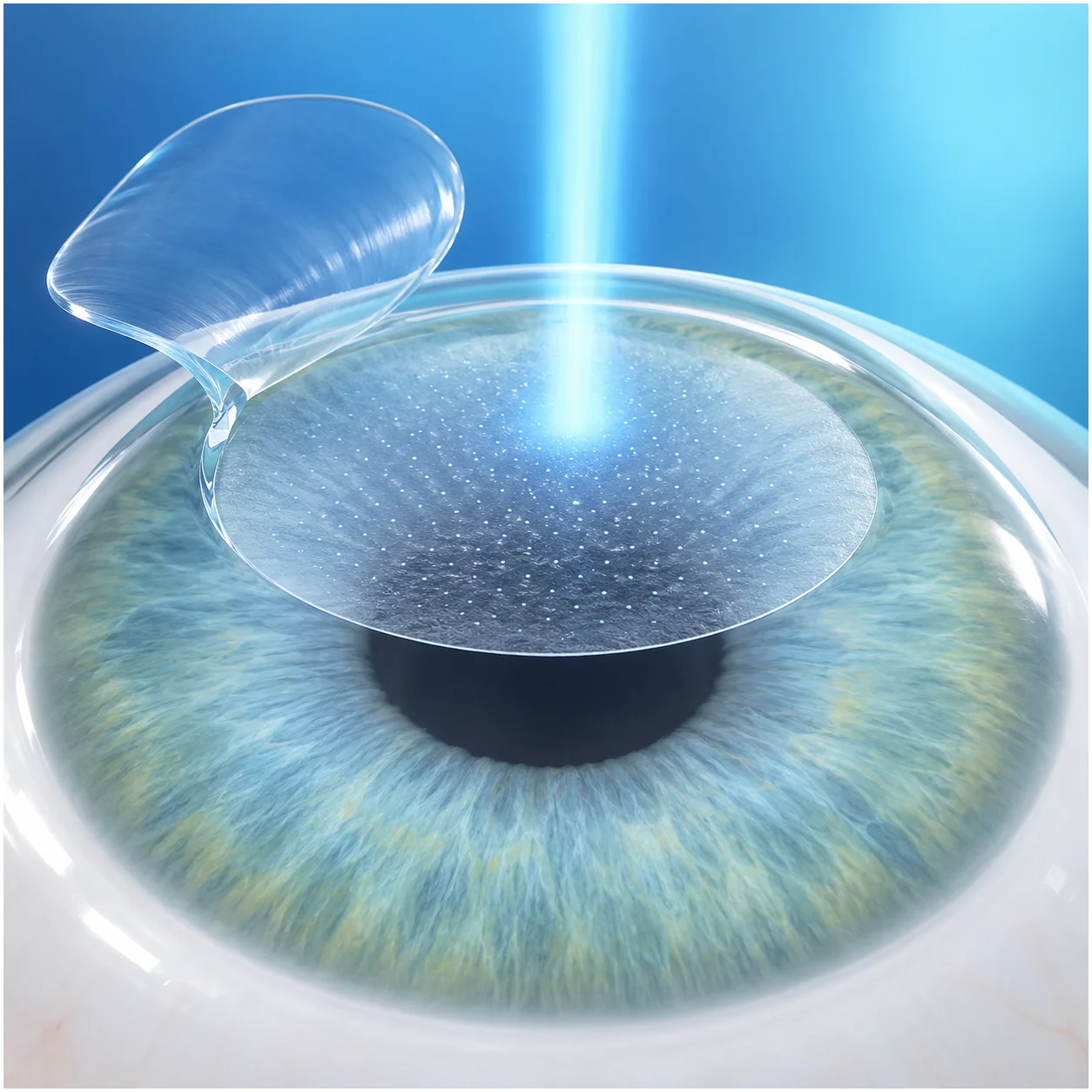
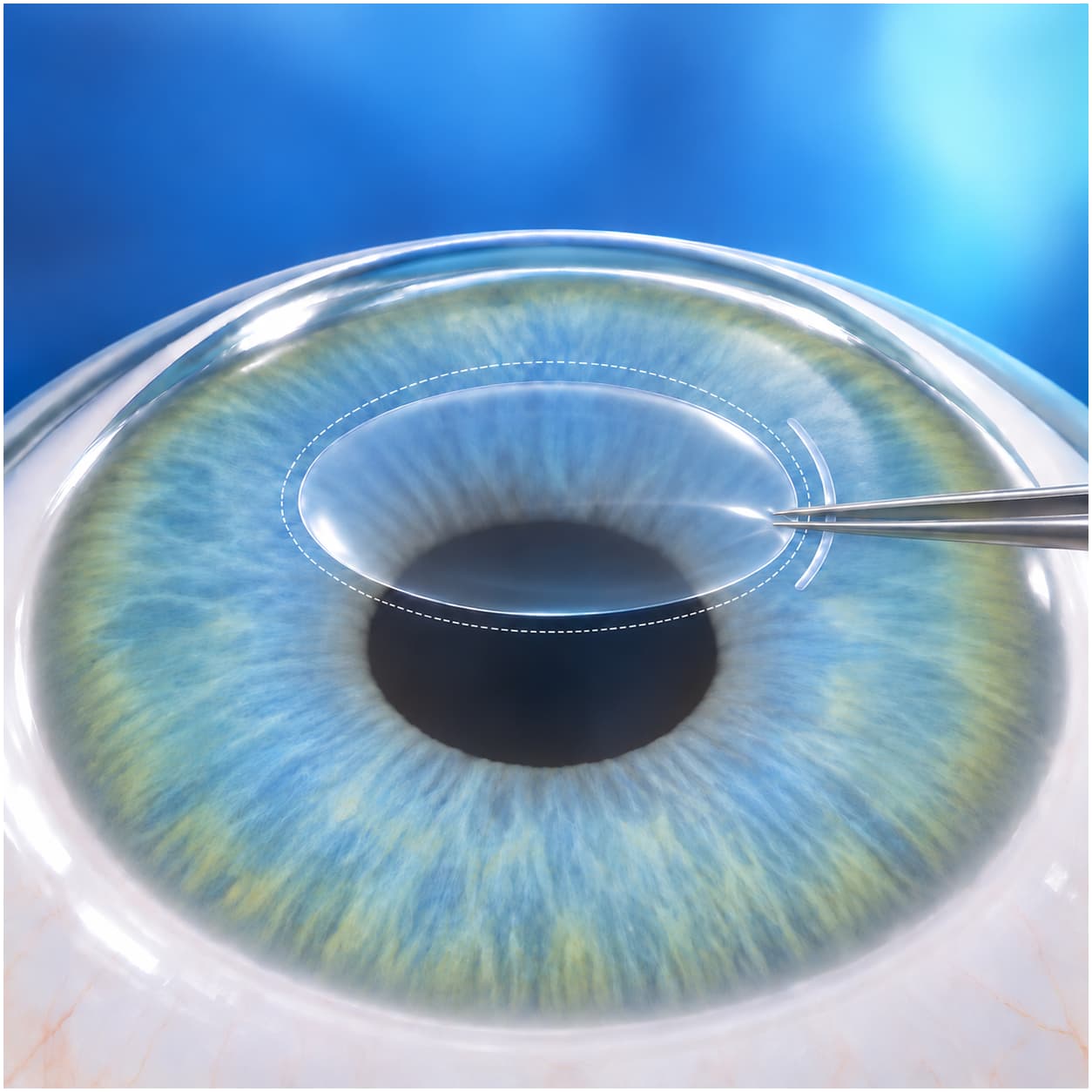
During your refractive lens exchange suitability assessment, we will also assess whether other vision correction options we offer are better suited to your eyes, age, lifestyle, and visual goals. Alternatives such as FemtoLASIK, SMILE Pro 2.0, Transepithelial PRK, and EVO ICL may also be suited to your eyes.
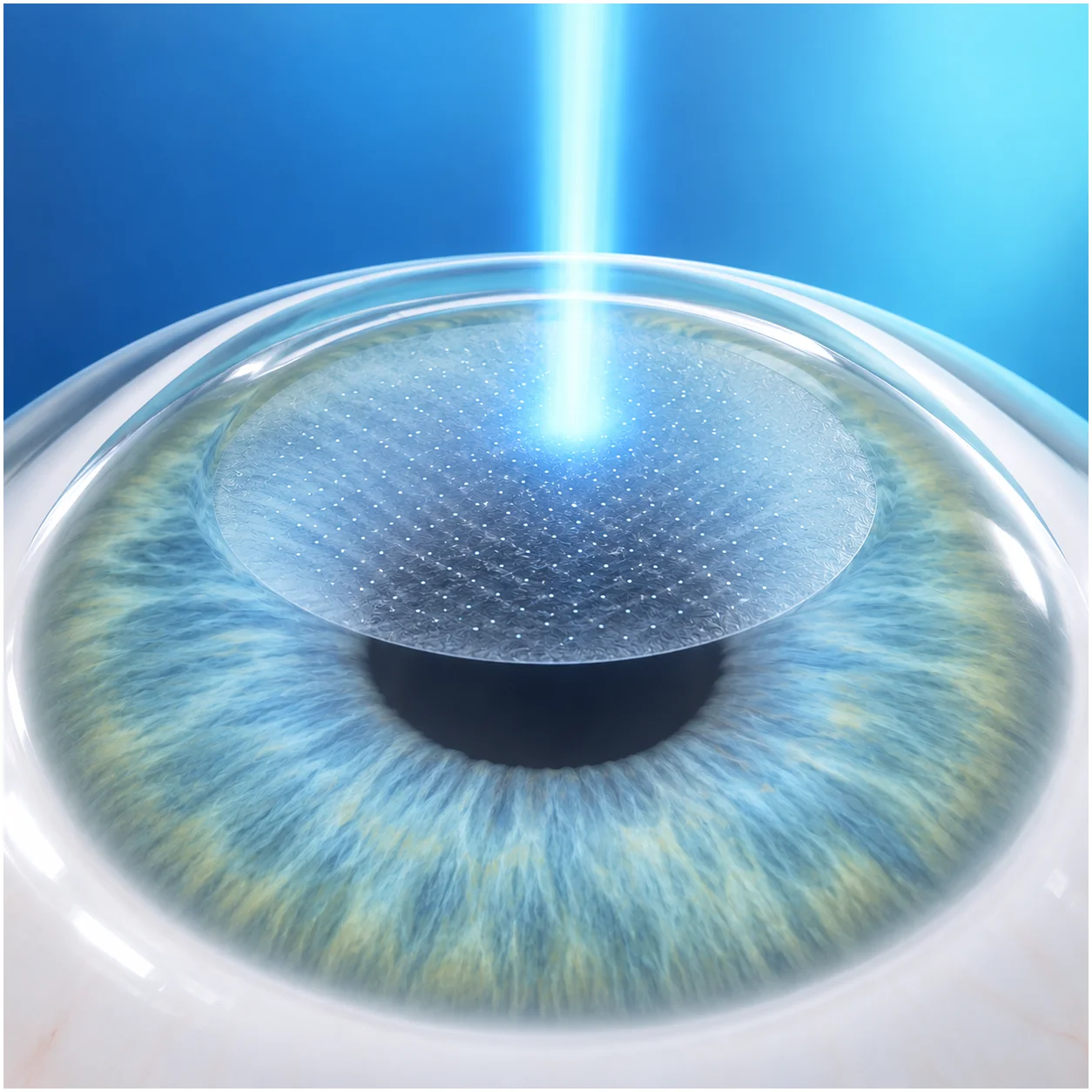
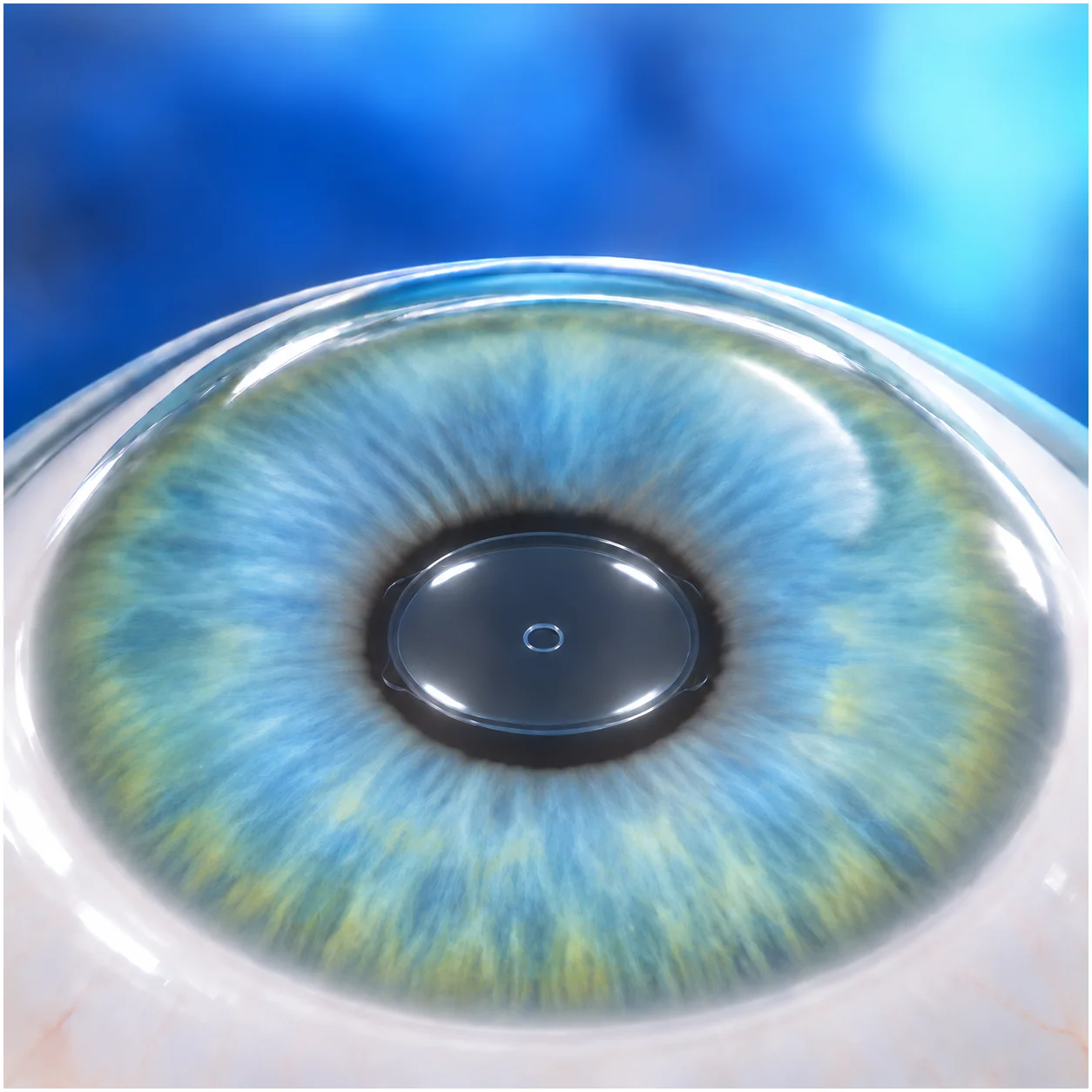
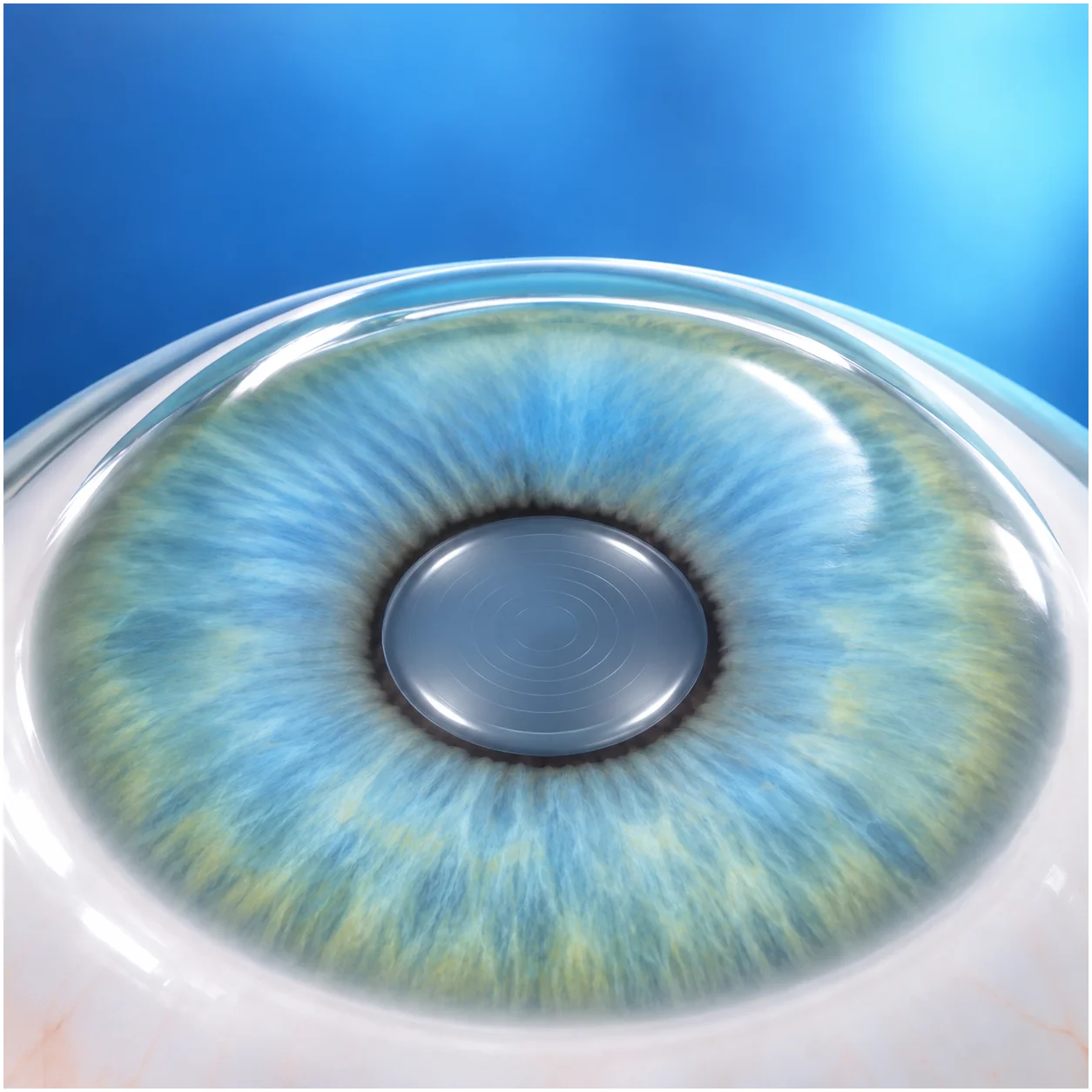
| FemtoLASIK | SMILE Pro 2.0 | SafeSight Transepithelial PRK | EVO ICL | |
|---|---|---|---|---|
| Approach | A thin corneal flap is created before the cornea is reshaped with a laser | Flapless procedure where a lenticule is removed through a small corneal incision | Flapless surface laser treatment | A lens is implanted between the iris and natural lens |
| Procedure Time (per eye) | 10 to 15 minutes | 3 to 5 minutes | 3 to 5 minutes | 15 to 20 minutes |
| Correction | Myopia, hyperopia & astigmatism | Myopia & astigmatism | Myopia, hyperopia & astigmatism | Myopia, hyperopia & astigmatism |
| Downtime | 2 to 3 days | 2 to 3 days | 5 days | 2 to 3 days |
From finding out whether refractive lens exchange is right for you to enjoying a wider range of vision, we will guide you through each stage of the process. Your journey begins with a comprehensive suitability assessment, followed by personalised lens implant selection based on your visual needs and lifestyle, your refractive lens exchange procedure, and structured aftercare as your eyes recover and vision settles.
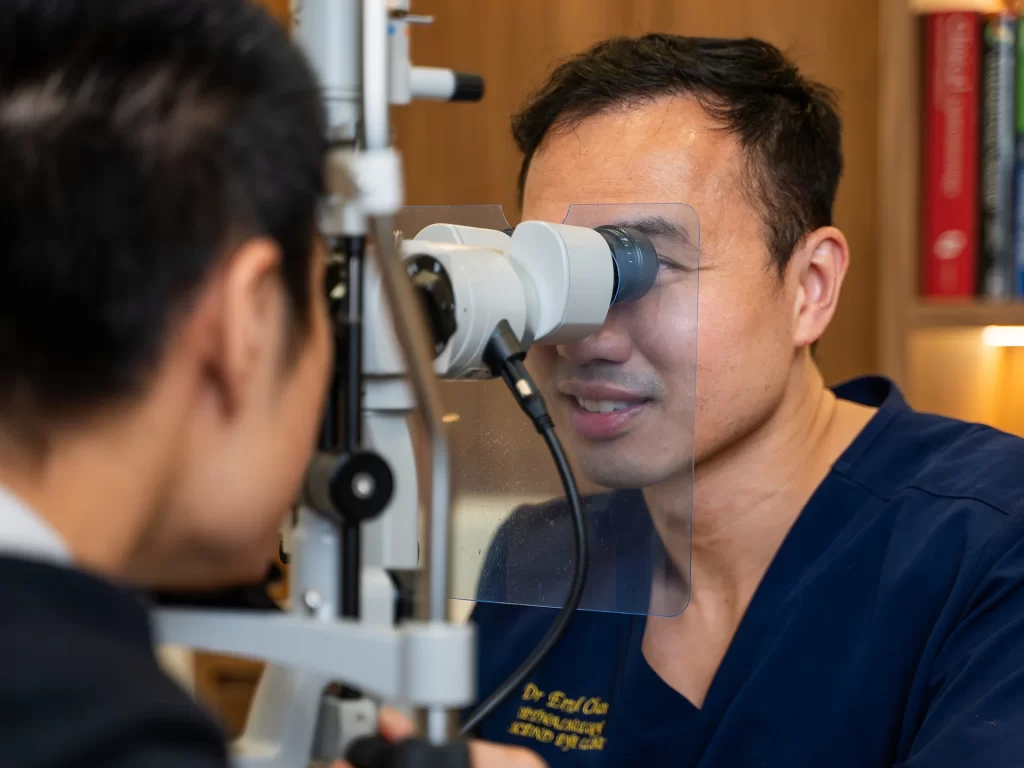
Your first step is a comprehensive assessment of your vision, prescription and eye health. Detailed measurements of your eyes are taken to assess your overall suitability for refractive lens exchange and to determine the appropriate intraocular lens power.
To ensure these measurements are accurate, contact lenses should be stopped before your assessment:
We will review these findings together with your lifestyle, visual needs and expectations, while also considering other vision correction options such as FemtoLASIK, SMILE Pro 2.0, SafeSight Transepithelial PRK and EVO Implantable Collamer Lens.
Your suitability assessment and refractive lens exchange procedure are performed on separate days. Before treatment, we will provide clear preparation instructions and explain your post-operative eye drops, aftercare and temporary activity restrictions. You should also arrange for someone to accompany you home, as you will not be able to drive immediately after the procedure.
Refractive lens exchange is performed while you are awake using anaesthetic eye drops to keep your eyes comfortable. A small device gently keeps your eyelids open, so you do not need to worry about blinking during treatment.
A small incision is created at the edge of the cornea. The natural lens is then broken up and gently removed through the incision using phacoemulsification.
The selected intraocular lens is inserted through the same small incision and positioned within the natural lens capsule. Once correctly positioned, the IOL remains permanently inside the eye to provide the planned vision correction.
Your vision will usually be blurred or hazy immediately after treatment and will improve progressively as the eye heals.
As the anaesthetic drops wear off, it is common to experience watering, light sensitivity, a gritty sensation or some discomfort during the first few days. This is part of the normal healing process. Your prescribed eye drops help support healing and keep the eyes comfortable during this period.
You should rest your eyes after treatment and avoid rubbing them. Swimming, strenuous exercise, contact sports and eye makeup should also be avoided temporarily while the eye heals.
Your first follow-up allows us to assess your vision and ensure that the eye is healing as expected.
Vision typically improves progressively over the first several days and continues to sharpen and stabilise over the following weeks. Further follow-up appointments allow us to monitor your healing, assess your visual result and manage any temporary dryness, glare, light sensitivity or fluctuations in vision while your eyes settle.
Caring for Your Eyes After Refractive Lens Exchange
Our team remains available throughout your recovery should you have any questions or concerns after your procedure.
If presbyopia, reading glasses, or progressive lenses are becoming a regular part of your day, refractive lens exchange offers a long-term approach to vision correction with lens options tailored to your visual needs and lifestyle.
Book a consultation with us today to determine whether refractive lens exchange is the most appropriate option for you.
Refractive lens exchange and cataract surgery use essentially the same surgical technique. In both procedures, the natural lens is removed and replaced with an intraocular lens. The difference is why the procedure is performed. Cataract surgery treats a natural lens that has become cloudy, while refractive lens exchange is performed primarily to correct vision and reduce dependence on glasses before a visually significant cataract develops.
Refractive lens exchange is generally more suited to middle-aged and older adults, particularly once presbyopia has developed and the natural lens has started losing its focusing flexibility. For younger adults with a clear, flexible natural lens, vision correction options that preserve the natural lens are generally preferred. There is no single upper age limit, provided the eyes are healthy enough for surgery.
Yes, presbyopia is one of the main reasons patients consider refractive lens exchange. By replacing the ageing natural lens with an appropriately selected IOL, refractive lens exchange provides a lens-based approach to reducing dependence on reading glasses, progressive lenses and other eyewear. Your suitability and lens choice are determined during your assessment.
No. Refractive lens exchange is specifically performed before a visually significant cataract develops. It is an elective vision correction procedure for patients who want to replace the natural lens primarily for refractive correction rather than because the lens has become significantly cloudy.
This depends on your age, prescription, corneal anatomy, natural lens, eye health and visual priorities. Refractive lens exchange becomes increasingly relevant as presbyopia progresses and the natural lens loses flexibility, while other procedures preserve the natural lens. During your suitability assessment, we will compare the appropriate options for your eyes.
Refractive lens exchange corrects myopia, hyperopia and astigmatism, with toric IOLs used where astigmatism correction is required. The choice of IOL and focusing strategy also allows refractive lens exchange to address the loss of near vision associated with presbyopia.
The aim of refractive lens exchange is to reduce dependence on glasses, but complete spectacle independence is not guaranteed. How much you rely on glasses afterwards depends on the IOL selected, your visual targets, eye health and the activities you want to perform without glasses. Some patients still prefer glasses for specific tasks.
We select your IOL based on detailed measurements of your eyes together with your prescription, eye health, lifestyle and visual priorities. Lens selection also considers which distances are most important to you and your tolerance for features such as halos or glare.
No. Both eyes do not always need to follow exactly the same lens strategy. Where appropriate, different lens designs or focusing targets are selected between the two eyes to achieve a balance of distance, intermediate and near vision that suits your individual visual needs.
Adjustment to a new optical system takes time, particularly with lenses designed to provide a broader range of vision. If visual symptoms persist, we will assess for treatable causes such as residual prescription, ocular surface problems, posterior capsule clouding or lens position. Further treatment, including lens exchange, is reserved for cases where it is necessary.
Despite detailed measurements before surgery, a small residual prescription sometimes remains. Depending on its amount and your visual needs, this is managed with glasses or contact lenses, laser vision correction in suitable eyes, or another appropriate enhancement.
The implanted IOL does not undergo the same ageing changes as the natural lens, so it does not develop presbyopia or cataract. However, the rest of the eye continues to age normally, and changes in the cornea, retina, optic nerve or other structures can still affect vision later in life.
Halos, glare and other light-related visual effects occur with some IOL designs, particularly lenses that provide a wider range of focus. These effects are often most noticeable during the early adjustment period and tend to become less noticeable with time.
Most patients return to night driving after their vision has recovered, but halos, glare and reduced contrast are more noticeable for some patients, particularly during the early adaptation period. Lens selection therefore takes your night-driving requirements into account before surgery.
Refractive lens exchange is performed under local anaesthesia, usually with numbing eye drops, with sedation used for comfort. You remain awake during the procedure, but discomfort is generally mild.
Refractive lens exchange is performed either on both eyes during the same session or as separate procedures. The approach is planned according to your eyes, lens strategy and treatment plan, and we will discuss the appropriate timing with you before surgery.
refractive lens exchange typically takes around 20 to 30 minutes per eye. It is performed as day surgery, so you return home after the procedure once the immediate postoperative checks are complete.
Vision generally improves substantially within the first few days. Temporary blur is expected immediately after surgery while the pupil remains dilated and the eye begins to recover.
Although functional vision returns relatively quickly, visual quality continues to stabilise over the following weeks. Adaptation to advanced IOLs and a new range of focus takes longer for some patients, particularly when adjusting to halos or other optical effects.
This depends on your visual recovery and the type of work you do. Many patients return to routine daily activities relatively quickly, while work involving driving, water, dust, heavy physical activity or precise visual demands requires additional recovery time. We will advise you according to your occupation and postoperative progress.
Driving resumes only once your vision has recovered sufficiently and it is safe to do so. Light non-contact exercise returns earlier, while swimming and contact sports require a longer break to protect the healing eye. Travel plans should also allow you to attend your early postoperative reviews.
Refractive lens exchange is intraocular surgery and carries risks including infection, inflammation, retinal detachment, problems with the lens capsule, residual refractive error and issues relating to the position or performance of the IOL. Serious loss of vision is uncommon, but these risks are discussed carefully before treatment.
Highly myopic eyes already have a greater underlying risk of retinal tears and retinal detachment, and lens surgery increases this risk further. We therefore assess the retina carefully as part of refractive lens exchange suitability and discuss the individual risk before recommending treatment.
No. Once the natural lens has been removed during refractive lens exchange, a cataract cannot develop in that eye and cataract surgery is not required later.
However, the thin capsule that remains behind the IOL can become cloudy months or years after surgery. This is known as posterior capsule opacification (PCO). If it begins to affect vision, it is treated with a short YAG laser procedure that creates a clear opening in the cloudy capsule.
Previous laser vision correction does not automatically rule out refractive lens exchange. However, because laser treatment changes the shape and focusing power of the cornea, additional care is required when calculating the appropriate IOL power. Previous treatment records are useful when available, together with detailed modern measurements of the eye.
Wish to book a consultation or have a question? WhatsApp Us!