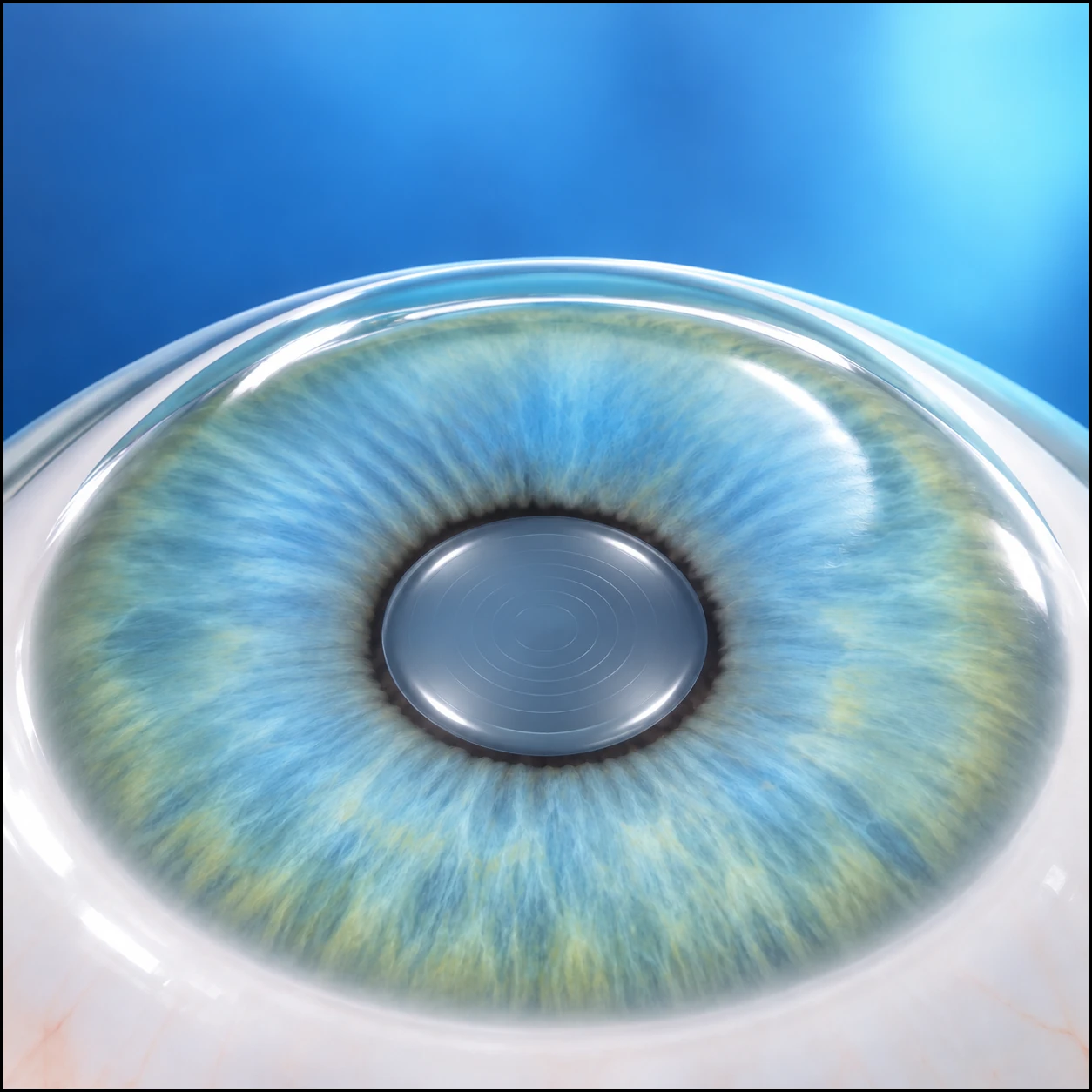
At Ascend Eye Clinic, we offer a range of vision correction procedures tailored to your prescription, corneal health, and lifestyle. This may involve reshaping the cornea with laser treatment, placing an implantable collamer (contact) lens inside the eye, or replacing the eye’s natural lens.
For many people, vision correction can make everyday activities more convenient, from exercising and travelling to working and enjoying hobbies without constantly reaching for glasses or contact lenses.
| Treatment | How It Works | Suitable For |
|---|---|---|
| Laser Vision Correction Procedures Changes your spectacle prescription by reshaping the cornea to focus light more accurately on the retina. | ||
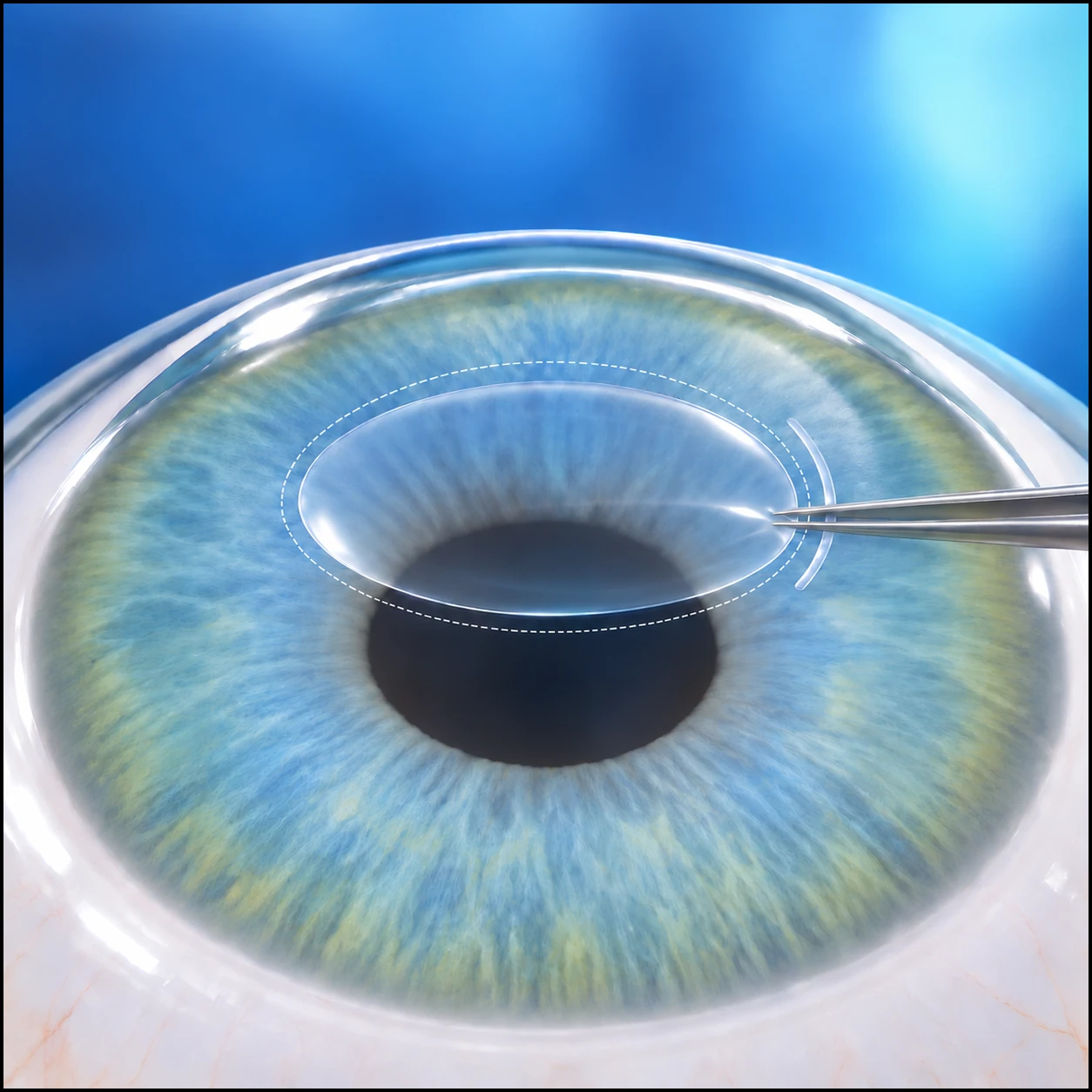
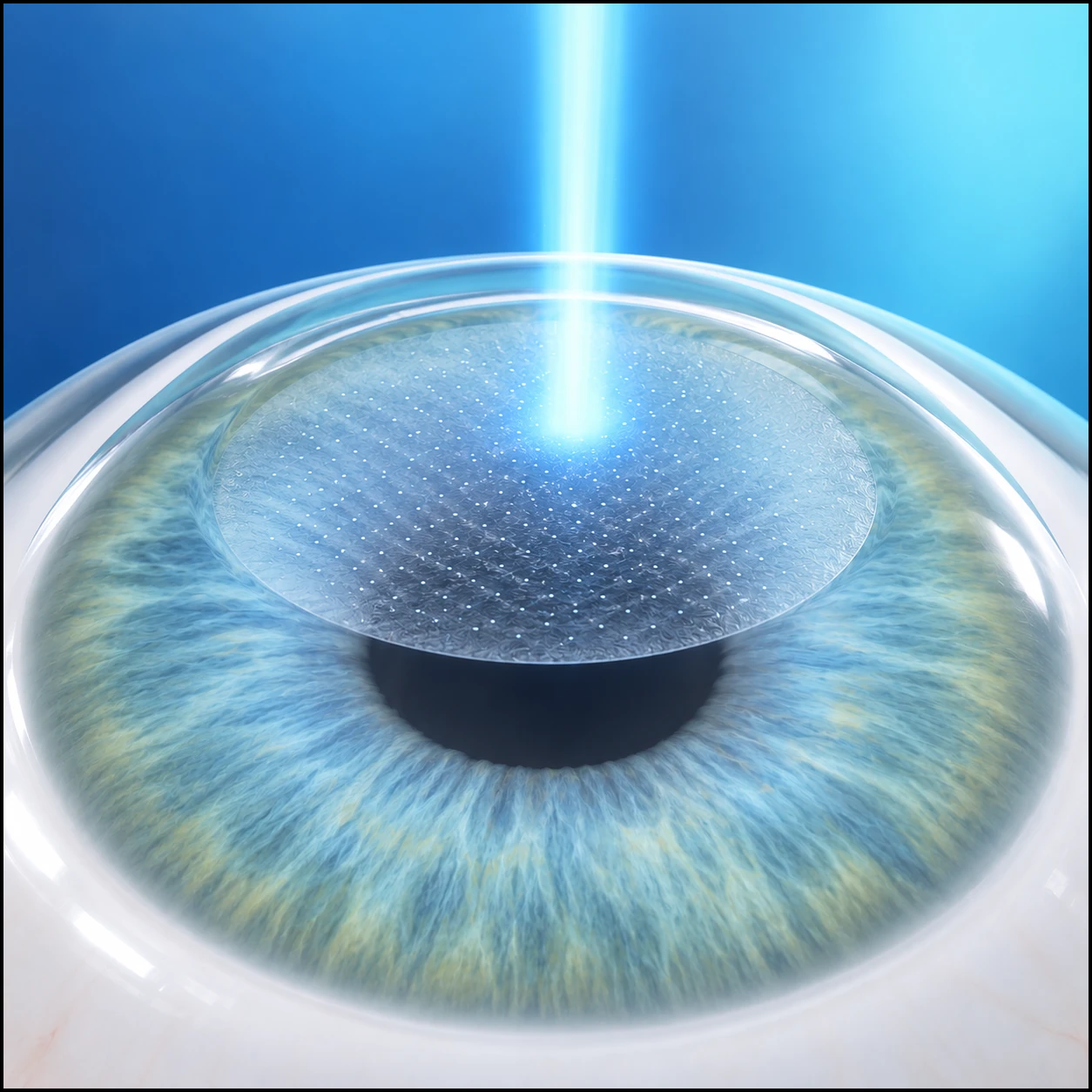
| FemtoLASIK | A femtosecond laser reshapes the cornea beneath a thin flap. | Patients with a suitable prescription, healthy corneas and stable vision. |
| SMILE Pro 2.0 | A disc-shaped piece of corneal tissue is removed through a small corneal incision, without creating a flap. | Patients with myopia and astigmatism who are suitable for a flap-free procedure. |
| SafeSight Transepithelial PRK | An excimer laser reshapes the surface of the cornea without creating a flap. | Some patients with thinner corneas or lifestyles where avoiding a flap is preferred. |
| Lens Based Procedures Changes your spectacle prescription by using an implanted lens to focus light more accurately on the retina. | ||
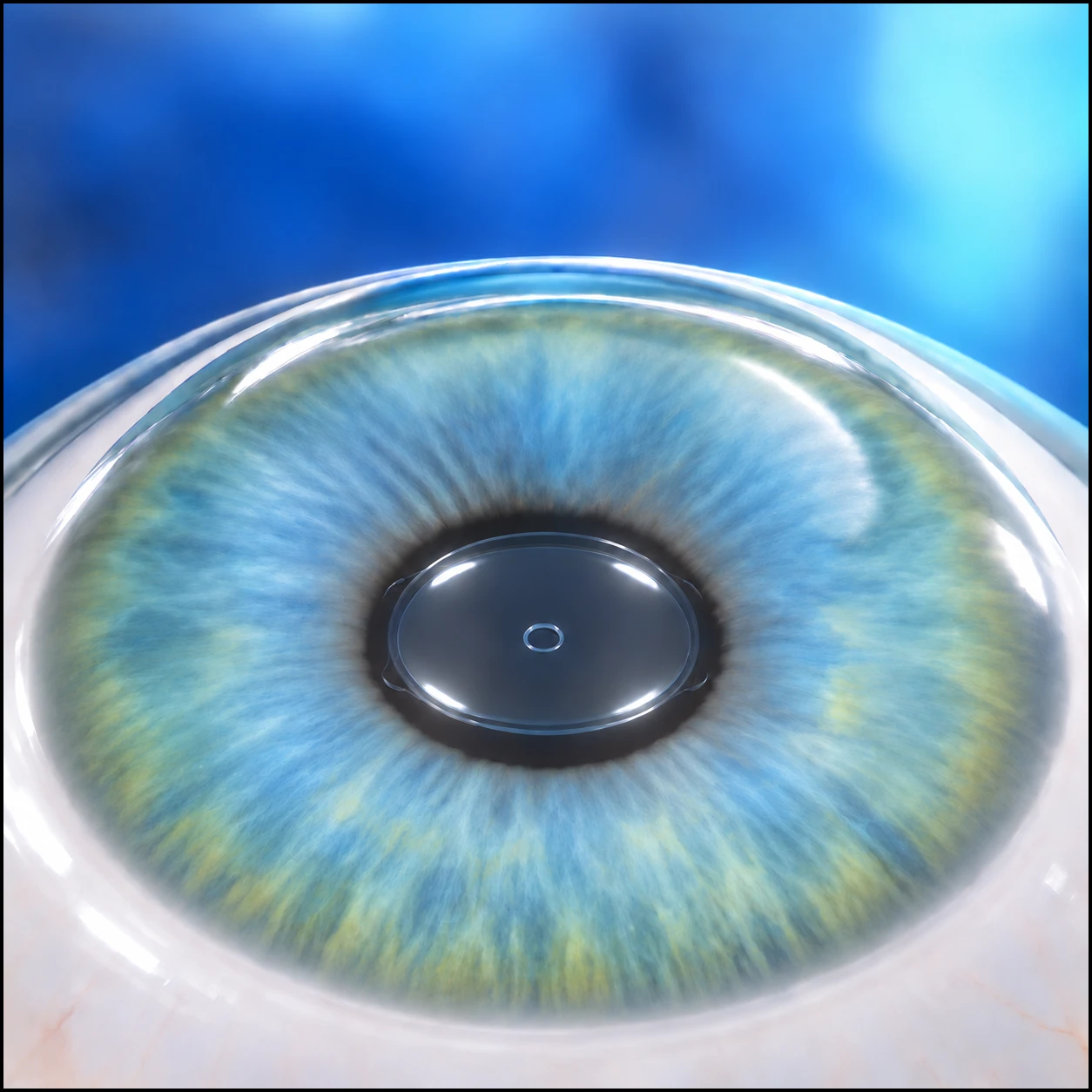
| EVO ICL | A corrective lens implant is placed inside the eye while the natural lens remains in place. | Younger patients with higher prescriptions or those who are not suitable for laser vision correction. |
| Refractive Lens Exchange (RLE) | The natural lens is replaced with an artificial intraocular lens. | Usually older patients with presbyopia, higher prescriptions or early age-related lens changes. |
Laser vision correction uses advanced laser technology to reshape the cornea and improve how light focuses within the eye. These procedures aim to reduce dependence on glasses or contact lenses, depending on your prescription, corneal health, and lifestyle.
FemtoLASIK is a bladeless form of LASIK that uses a femtosecond laser to create a thin corneal flap. An excimer laser then reshapes the underlying corneal tissue before the flap is repositioned. It is a procedure that typically provides rapid visual recovery.
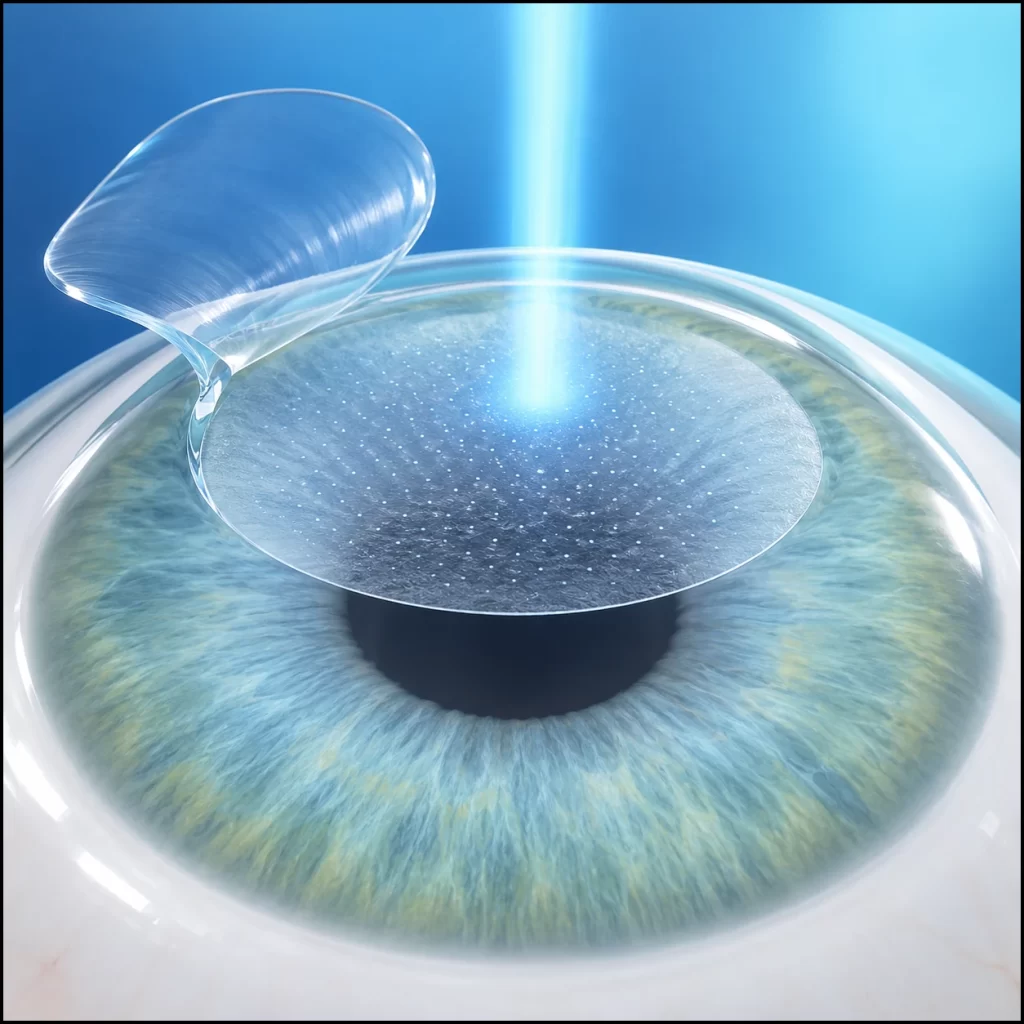
SMILE Pro 2.0 is a minimally invasive, flap-free procedure used to correct myopia and astigmatism. A laser creates a thin lenticule within the cornea, which is removed through a small incision to correct your vision. Its small-incision approach offers a quick recovery with no risk of flap-related complications.
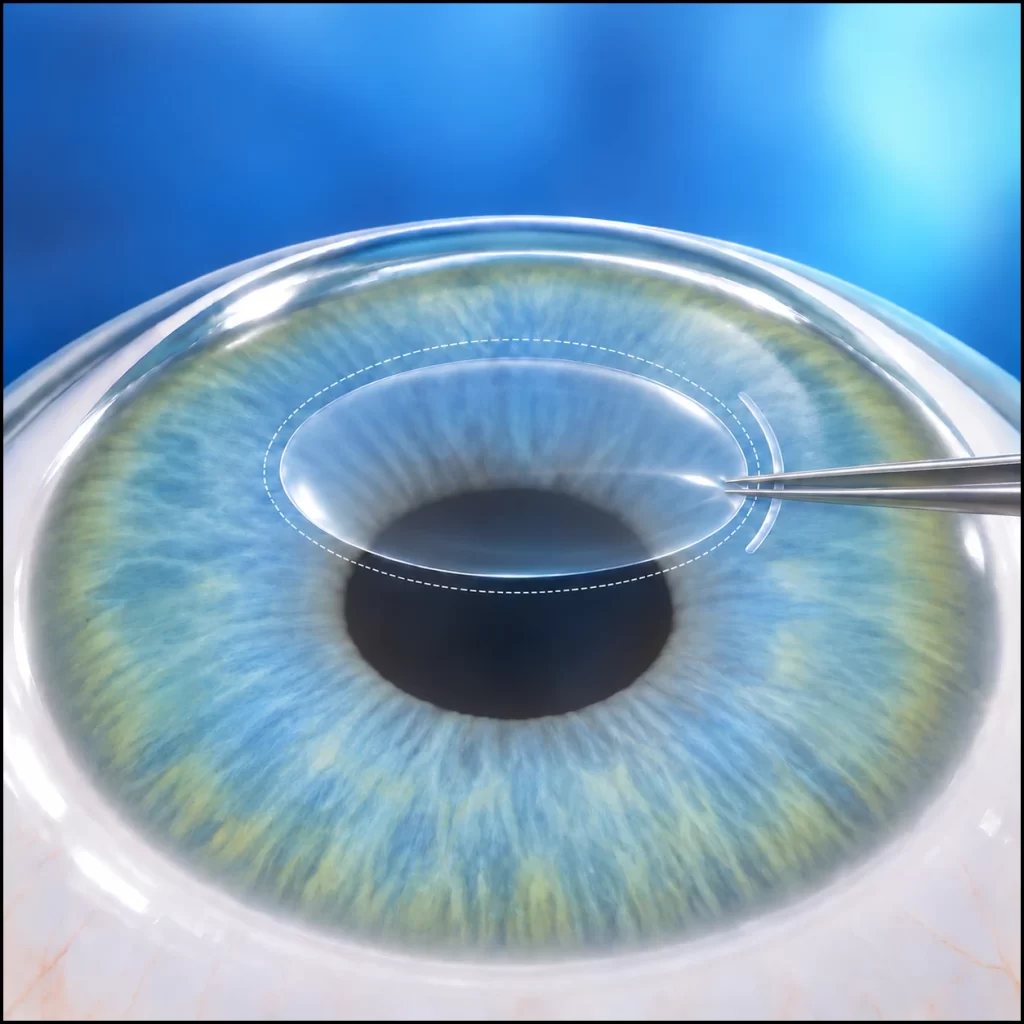
SafeSight Transepithelial PRK is a touch-free, all-laser surface procedure that does not require a corneal flap. The laser removes the outer corneal layer and reshapes the underlying tissue in a single continuous treatment. It avoids flap-related complications, although recovery is slightly longer than with FemtoLASIK or SMILE Pro 2.0.
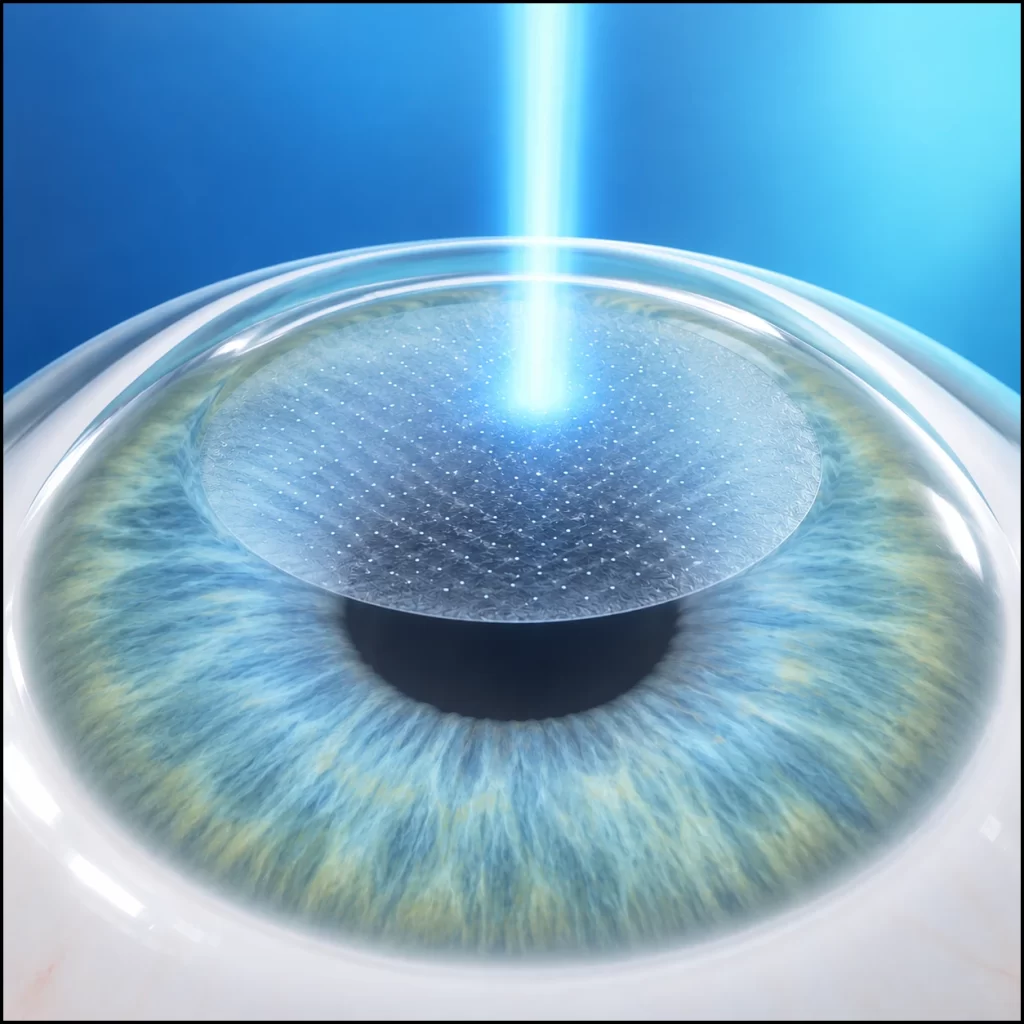
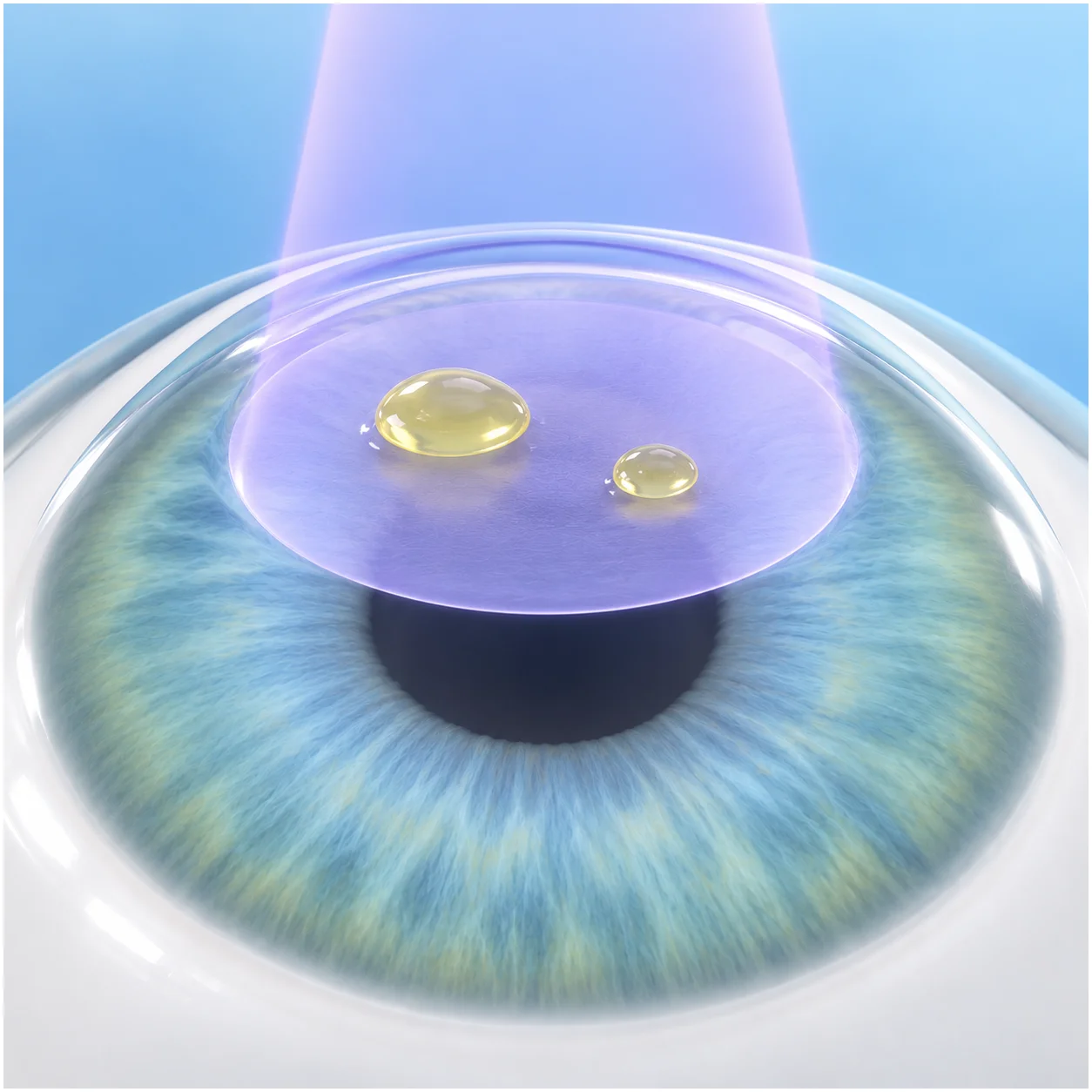
Corneal collagen cross-linking is a minor laser procedure which involves the application of riboflavin eye drops to the cornea and controlled exposure to ultraviolet-A light to strengthen and stabilise the cornea. It can be performed alongside FemtoLASIK, SMILE Pro 2.0 or SafeSight Transepithelial PRK to provide additional corneal support and reduce the risk of post-operative corneal instability.
Non-laser vision correction uses an implanted lens to improve how light focuses within the eye. These options may be suitable for patients who are not ideal candidates for laser treatment or require a lens-based approach to vision correction.
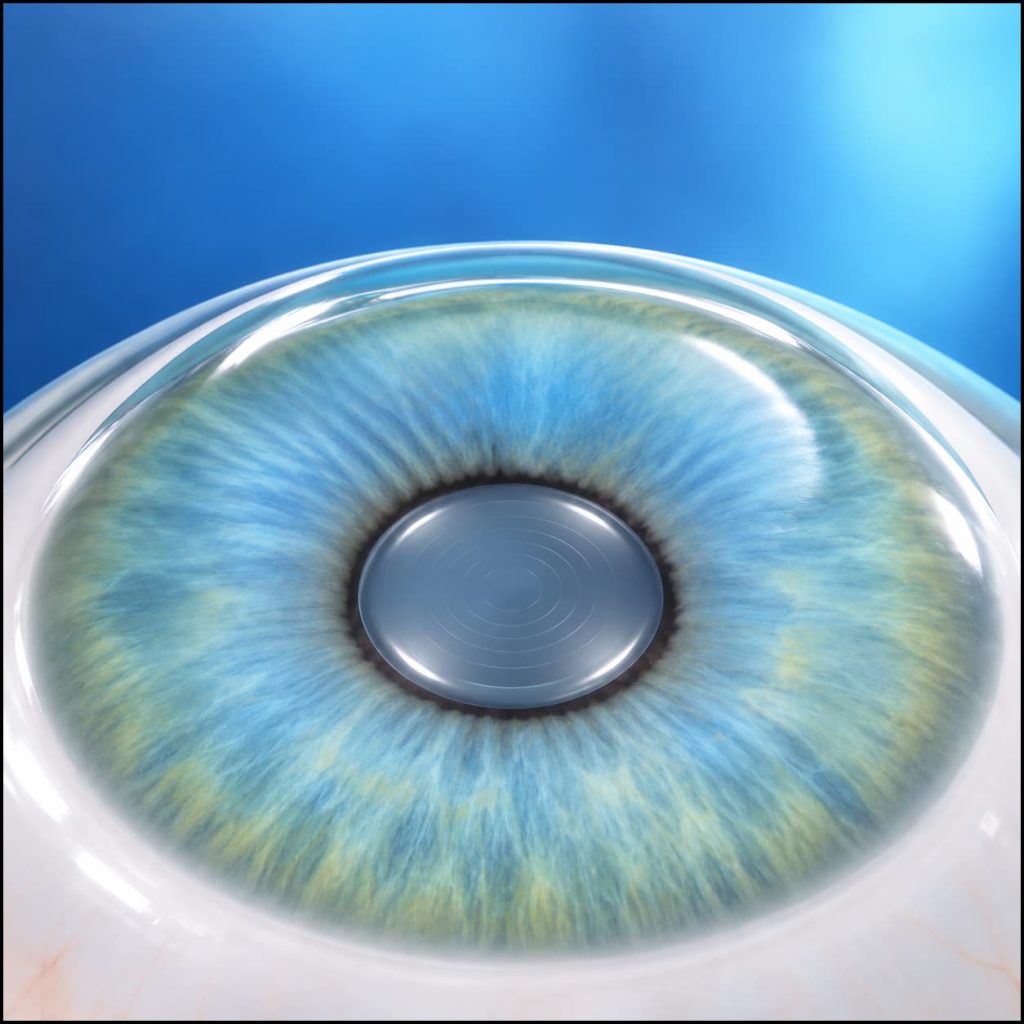
An implantable collamer lens, or ICL, is a soft lens placed behind the iris and in front of the natural lens without removing corneal tissue. It may be suitable for patients with high myopia, thin corneas or prescriptions outside the recommended range for laser vision correction.
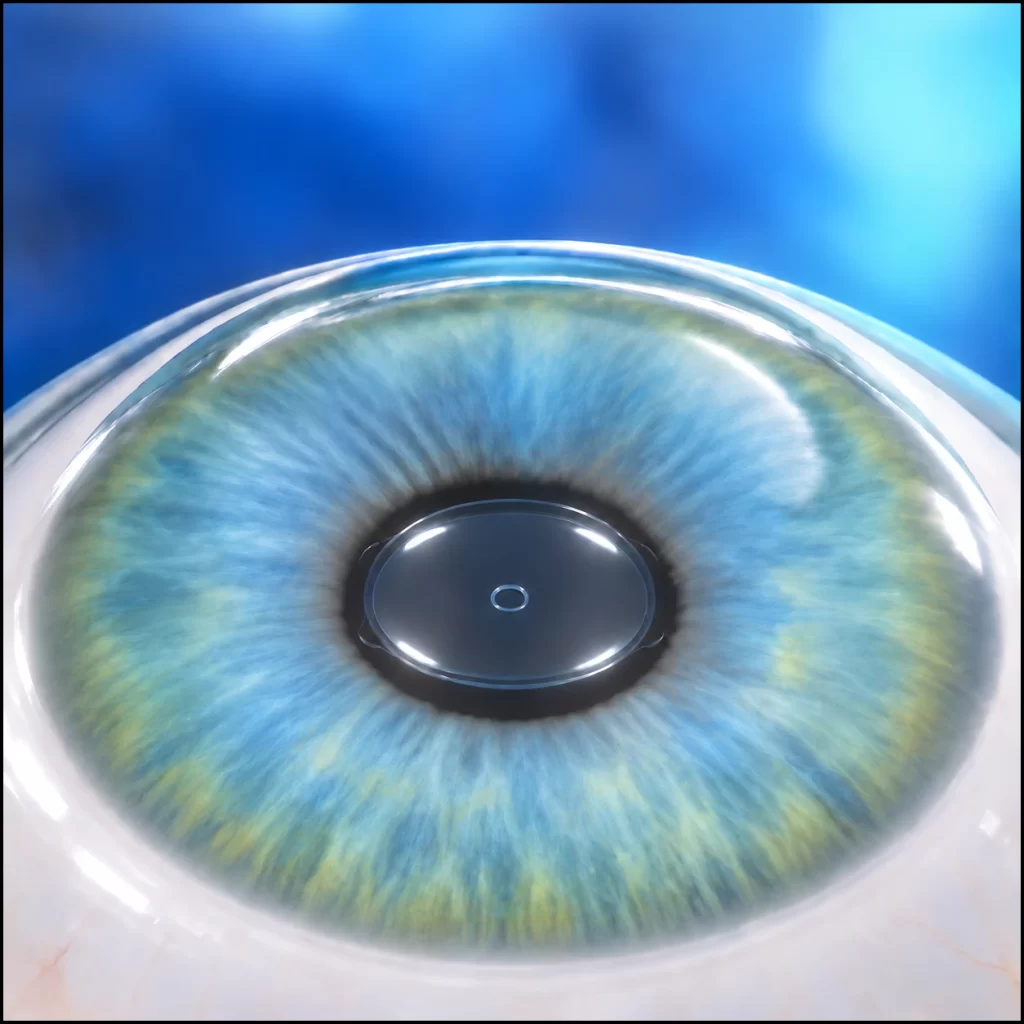
Refractive Lens Exchange (RLE) replaces the eye’s natural lens with an artificial intraocular lens to improve vision. RLE can also address lens dysfunction syndrome, where age-related changes in the natural lens gradually reduce focusing ability and visual quality, even before a significant cataract develops.
From your initial suitability assessment to treatment and structured aftercare, we guide you through every stage of your vision correction journey. Each step is carefully planned around your eyes, prescription and visual goals, so you know exactly what to expect before, during and after your procedure.
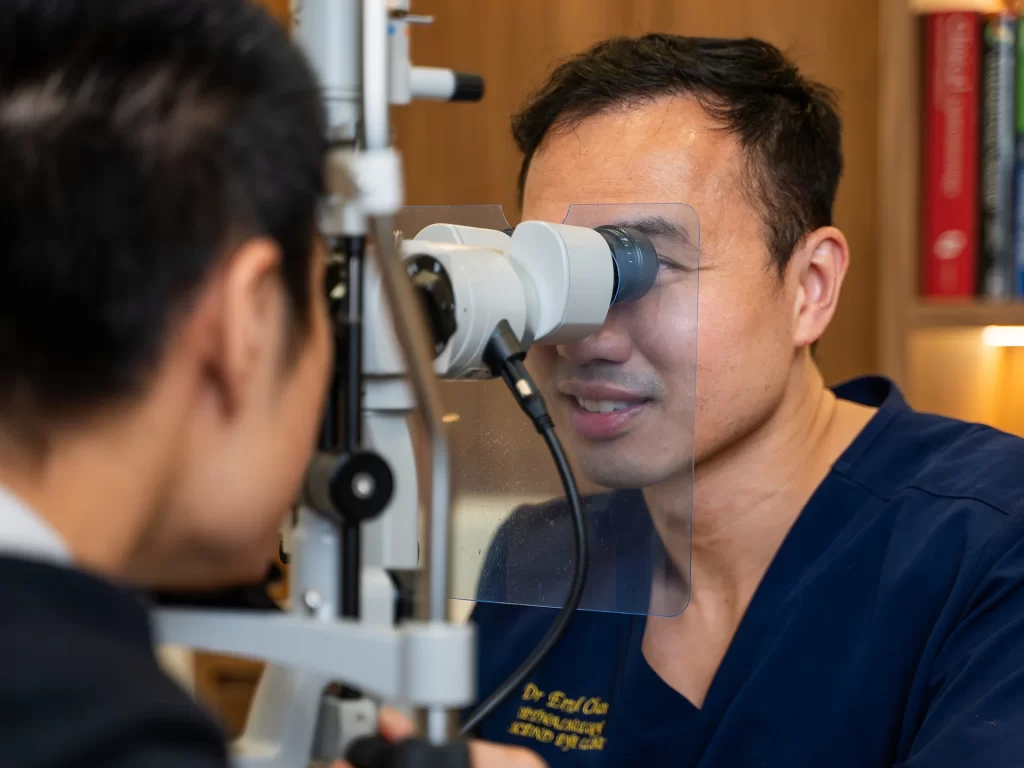
Your journey begins with a comprehensive assessment of your vision, prescription and overall eye health. Detailed measurements allow us to understand the shape and structure of your eyes and determine which vision correction options are suitable for you.
If you wear contact lenses, they will need to be stopped before your assessment so that your measurements are as accurate as possible:
We will review your results together with your visual needs, lifestyle and expectations, and discuss the treatment options that are suitable for your eyes. This allows you to understand the benefits, limitations and expected visual outcome of each option before deciding how you would like to proceed.
Your suitability assessment and vision correction procedure are performed on separate days, allowing your measurements to be carefully reviewed and your treatment to be planned for your individual eyes.
Vision correction can involve reshaping the cornea with laser treatment or implanting a lens within the eye, depending on the treatment selected during your suitability assessment.
Before your procedure, we will provide clear instructions on how to prepare, including any medications or eye drops that are required. We will also explain what to expect during treatment, your aftercare and any temporary activity restrictions during recovery.
All of our vision correction procedures are performed as day surgery. Anaesthetic eye drops are used to keep your eyes comfortable, with additional sedation used for selected lens-based procedures.
The exact steps and treatment time differ between procedures, but you will be guided through each stage so that you know what is happening throughout your treatment. You should arrange for someone to accompany you home afterwards, as you will not be able to drive immediately after your procedure.
Your vision will usually be blurred or fluctuate immediately after treatment as your eyes begin to recover. The degree of blurring and how quickly your vision improves depends on the type of vision correction procedure performed.
Your eyes can also feel watery, gritty, sensitive to light or mildly uncomfortable during the early recovery period. For lens-based procedures, it is also normal for vision to take some time to settle as the eye heals and adapts.
You will begin your prescribed eye drops after treatment and receive clear instructions on caring for your eyes at home. Resting your eyes, avoiding rubbing them and following your medication schedule are important during the early stages of recovery.
Your follow-up appointments allow us to assess your vision, examine how your eyes are healing and ensure that your recovery is progressing as expected.
Visual recovery differs between procedures. Some treatments provide rapid improvement within the first few days, while others require a longer period for vision to stabilise fully. We will explain the expected recovery timeline for your chosen procedure before treatment.
Caring for Your Eyes After Vision Correction
Our team remains available throughout your vision correction journey should you have any questions or concerns before or after your procedure.
Clearer vision starts with understanding your eyes. With both laser and lens-based treatments available, we can recommend an approach based on your prescription, corneal profile, age, and visual goals.
We offer a full range of laser and lens-based options, allowing us to tailor treatment around your specific needs.
Book your comprehensive assessment and explore the vision correction options available to you.
The most suitable option depends on your prescription, corneal thickness and shape, eye health, age, lifestyle and visual goals. A comprehensive assessment allows us to compare the available treatments and recommend the options best suited to your eyes.
We offer both laser and lens-based vision correction, including FemtoLASIK, SMILE Pro 2.0, SafeSight Transepithelial PRK, EVO ICL and refractive lens exchange. Each treatment works differently and is suited to different prescriptions, eye characteristics and stages of life.
Laser vision correction, including FemtoLASIK, SMILE Pro 2.0 and SafeSight Transepithelial PRK, reshapes the cornea so that light focuses accurately on the retina. Lens-based treatments correct vision by implanting an additional lens, as with EVO ICL, or replacing the natural lens, as with refractive lens exchange.
There is no single procedure that gives the best result for everyone. The best outcome comes from selecting a treatment that matches your prescription, eye measurements, age and visual needs.
Yes. FemtoLASIK, SMILE Pro 2.0, SafeSight Transepithelial PRK and EVO ICL can correct myopia together with astigmatism, provided your prescription and eye measurements fall within the appropriate treatment range.
Yes. Long-sightedness can be treated using selected laser and lens-based procedures. We will determine which options are suitable based on your prescription, corneal measurements, age and overall eye health.
Yes. Laser vision correction requires sufficient corneal tissue to safely correct your prescription. For higher prescriptions or when the cornea is less suited to laser treatment, EVO ICL can provide an alternative without removing corneal tissue.
Thin corneas can make FemtoLASIK unsuitable because sufficient corneal tissue must remain after treatment. Depending on your corneal measurements and prescription, SafeSight Transepithelial PRK or EVO ICL can be considered instead.
Yes, but the ocular surface should be healthy before treatment. We assess and treat dry eye first, then recommend a vision correction option that takes your tear film and corneal health into account.
Vision correction is generally considered from adulthood once your prescription has been stable. As you enter your 40s and beyond, presbyopia and changes in the natural lens also become important when deciding between laser and lens-based options.
There is no fixed upper age limit based on age alone. From the 40s onwards, presbyopia and changes within the natural lens become increasingly important, so we will also assess whether a lens-based treatment provides a more suitable solution.
This is usually due to presbyopia, which develops as the natural lens gradually loses its ability to focus at near. We will assess both your distance and near vision needs and discuss options that can reduce your dependence on reading glasses.
Vision correction is designed to significantly reduce your dependence on glasses or contact lenses. The level of spectacle independence achieved depends on your prescription, age, chosen treatment and whether you require correction for distance, intermediate or near vision.
The correction created by FemtoLASIK, SMILE Pro 2.0 and SafeSight Transepithelial PRK is permanent. Your eyes will still undergo natural changes with age, including presbyopia, prescription changes and eventually cataract formation.
We will reassess your prescription and eye health to determine the reason for the change. Depending on your previous treatment and current measurements, further correction or another vision correction option can be considered.
Yes. Previous laser vision correction does not automatically prevent further treatment. We will assess your current prescription, corneal thickness, corneal shape and previous treatment before determining which options remain suitable.
EVO ICL is particularly useful for patients with higher prescriptions, thinner corneas or other corneal characteristics that make laser treatment less suitable. It corrects vision without permanently removing corneal tissue.
Yes. EVO ICL is designed to remain in the eye long term, but it can be surgically removed or exchanged if required in the future.
Refractive lens exchange is often considered for patients in their 40s and beyond, particularly when presbyopia or changes in the natural lens make corneal laser treatment less suitable. The choice of lens implant can also be tailored to your distance, intermediate and near vision needs.
Anaesthetic eye drops are used during vision correction procedures to keep treatment comfortable. Most patients notice pressure, movement or mild sensations rather than pain during treatment. The recovery experience varies between procedures.
Most vision correction procedures are relatively quick and performed as day procedures. The exact treatment time differs between FemtoLASIK, SMILE Pro 2.0, SafeSight Transepithelial PRK, EVO ICL and refractive lens exchange.
This depends on the procedure and your type of work. FemtoLASIK and SMILE Pro 2.0 generally have a faster initial recovery, while SafeSight Transepithelial PRK requires a longer healing period. We will advise you on the expected recovery timeline for your chosen treatment.
Light exercise can usually be resumed before more strenuous activity. Swimming, high-intensity exercise and contact sports require a longer break while the eye heals, and we will provide specific guidance based on the procedure performed.
We recommend postponing vision correction until after pregnancy and breastfeeding. Hormonal changes during this period can temporarily affect your prescription and corneal measurements, so treatment is planned once these have stabilised.
Yes. Cataract surgery can still be performed after FemtoLASIK, SMILE Pro 2.0, SafeSight Transepithelial PRK or EVO ICL. Previous vision correction is taken into account when planning cataract surgery and calculating the lens implant. If you previously had EVO ICL, it can be removed when cataract surgery is performed. After refractive lens exchange, cataract cannot develop because the natural lens has already been replaced.
Wish to book a consultation or have a question? WhatsApp Us!